

Hey there! As a supplier of carbide valve balls and seats, I know how crucial it is to ensure the quality of these components. They're used in a wide range of industries, from oil and gas to mining, and any failure can lead to costly downtime and safety hazards. So, in this blog, I'll share some tips on how to test the quality of carbide valve balls and seats.
1. Visual Inspection
The first step in testing the quality of carbide valve balls and seats is a visual inspection. This might sound simple, but it can reveal a lot about the component's condition. You're looking for any obvious signs of damage, like cracks, chips, or scratches. These flaws can compromise the valve's performance and lead to leaks.

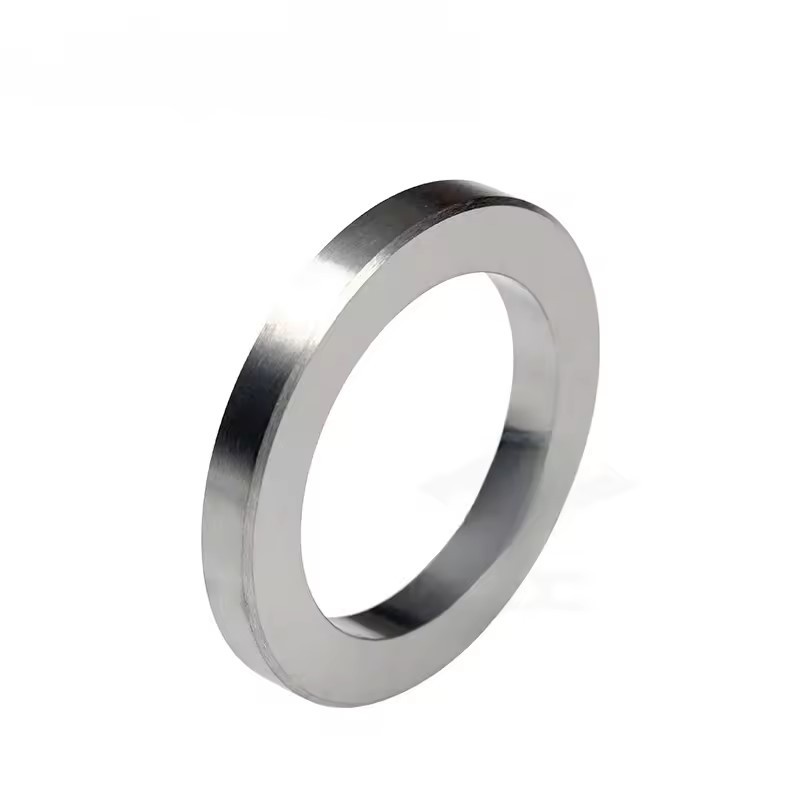
When you're doing a visual inspection, use a magnifying glass if possible. This will help you spot even the tiniest defects. Check the surface finish of the ball and seat. A smooth surface is essential for a good seal. Any roughness or irregularities can cause problems.
2. Dimensional Accuracy
Next up is dimensional accuracy. Carbide valve balls and seats need to meet specific size requirements to work properly. You can use precision measuring tools like calipers and micrometers to check the diameter, height, and other critical dimensions.
Make sure the dimensions are within the tolerance range specified by the manufacturer. Even a small deviation can affect the valve's performance. For example, if the ball is too large or too small, it won't fit properly in the seat, leading to leaks or poor sealing.
3. Hardness Testing
Hardness is a key property of carbide valve balls and seats. Carbide is known for its high hardness, which makes it resistant to wear and corrosion. You can use a hardness tester to measure the hardness of the ball and seat.
There are different types of hardness tests, such as the Rockwell and Vickers tests. The Rockwell test is more commonly used for carbide materials. A high hardness value indicates better wear resistance, which is important for long-lasting performance.
4. Material Analysis
It's also important to verify the material composition of the carbide valve balls and seats. You can use techniques like X-ray fluorescence (XRF) or energy-dispersive X-ray spectroscopy (EDS) to analyze the elements present in the material.
This helps ensure that the component is made of the right type of carbide and that there are no impurities or contaminants. Impurities can weaken the material and reduce its performance. For example, if there are too many impurities in the carbide, it can lead to premature wear and failure.
5. Pressure Testing
Pressure testing is a crucial step in testing the quality of carbide valve balls and seats. This test simulates the actual operating conditions of the valve. You can use a pressure testing machine to apply a specific pressure to the valve and check for leaks.
Start with a low pressure and gradually increase it to the maximum operating pressure. Monitor the valve closely for any signs of leakage. If there are leaks, it could indicate a problem with the seal or the quality of the ball and seat.
6. Wear Testing
Wear testing helps evaluate the durability of the carbide valve balls and seats. You can use a wear testing machine to simulate the wear and tear that the valve will experience during normal operation.
There are different types of wear tests, such as abrasion, erosion, and sliding wear tests. These tests can help you determine how well the ball and seat will hold up over time. For example, in an oil and gas application, the valve may be exposed to abrasive particles, so an abrasion wear test is important.
7. Surface Finish Testing
As mentioned earlier, the surface finish of the carbide valve balls and seats is crucial for a good seal. You can use a surface profilometer to measure the surface roughness.
A smooth surface finish reduces friction and improves the sealing performance. The surface finish requirements may vary depending on the application. For example, in a high-pressure application, a very smooth surface finish may be required.
8. Compatibility Testing
If the carbide valve balls and seats are going to be used in a specific environment, it's important to test their compatibility with the fluids and gases they'll be exposed to. You can conduct chemical compatibility tests to ensure that the material won't react with the substances in the system.
For example, in a mining application, the valve may be exposed to acidic or alkaline solutions. Testing the compatibility of the carbide with these solutions can help prevent corrosion and failure.
Conclusion
Testing the quality of carbide valve balls and seats is a multi-step process that requires careful attention to detail. By following these tips, you can ensure that the components you're using or supplying meet the highest standards of quality and performance.
If you're in the market for high-quality carbide valve balls and seats, we're here to help. We offer a wide range of products, including Tungsten Carbide Seal for Mine, Tungsten Carbide Non-standard Parts, and Tungsten Carbide Seal Rings. Contact us to discuss your specific requirements and let's start a great business partnership!
References
- ASM Handbook Volume 8: Mechanical Testing and Evaluation
- ASTM Standards for Hardness Testing
- ISO Standards for Dimensional Measurement


