

Tungsten Carbide Button
Why Choose Us
Strong R&D capabilities
The company has more than 20 patents in cemented carbide and deep processing technology, new materials, and new technologies, and has strong research and development capabilities.
Production Market
The whole China market, South Asia, south-eastern Asia, East Asia, North America,South America, Europe, etc countries and regions.
Professional team
We have a professional quality control team that follows the ISO9001:2015 system.
Provide OEM service
We work on OEM orders. Which means size, quantity, design, packing solution, etc will depend on your requests.
Tungsten carbide buttons, also known as tungsten carbide inserts or cemented carbide buttons, are a type of cutting tool used in the drilling and mining industries. They combine tungsten carbide, a hard and durable material, with a binding agent such as cobalt or nickel.Inserting carbide buttons into a drill bit is a process that requires some technical knowledge and expertise.
-
 Tungsten Carbide ButtonsTungsten carbide buttons are mainly used in drilling and mining fields with high resistance. WeAdd to Inquiry
 -
 Tungsten Carbide Buttons for MiningCemented carbide is the best material for producing cemented carbide ball teeth widely used inAdd to Inquiry
 -
 Tungsten Carbide Bits for MiningTungsten carbide bits for mining carbide buttons,carbide inserts, carbide strips series. TheAdd to Inquiry
 -
 Tungsten Carbide Button Tips1. 100% virgin raw materials.. 2. Various kinds of grades are available based on customer'sAdd to Inquiry
 -
 Tungsten Carbide Buttons for Rock Drill BitsCemented carbide buttons are used in the coal cutter drilling tools, mine machinery tools and roadAdd to Inquiry
 -
 Tungsten Carbide Buttons for DTH Drill BitsTungstenc carbide buttons YG8 is more suitable for DTH, as its wear resistance and strength areAdd to Inquiry
 -
 Tungsten Carbide Buttons for Tricone Drill BitsApplication: Suitable for oil, natural gas, geothermal industrial and water well drilling, HDDAdd to Inquiry
 -
 Tungsten Carbide Buttons for Taper Drill BitsHigh Precision tungsten carbide buttons are widely used in oil drilling, coal mining tools , miningAdd to Inquiry


Email: richard@sanshengalloy.com
- Add: No.39, Fuchuan Rd., National High-Tech Development Zone, Zigong, Sichuan, China
Benefits of Tungsten Carbide Button
The ability to withstand high temperatures
Tungsten Button is also regularly used to create alloys and superalloys due to its high melting point and resistance to thermal creep, making it suitable for more thermally intensive applications, where other metals would fail.
Intensive
The density of tungsten is among the highest of any metal, at 19.3 g/cm3. Its density is 19.3 times greater than that of water and 1.7 times greater than that of lead.
Thermal expansion is low
As with any pure metal's lowest thermal expansion coefficient, tungsten is more stable under extreme temperatures than common manufacturing materials (e.g., steel).It has a structural solidity that cannot be matched by other metals, making it particularly useful when rigidity is needed at high temperatures - such as in the blades of jet engine turbines.
Electrification
Tungsten alloy is widely used in the electronics industry and environments involving a high level of radiation because of its conductive properties and relative inertness.Hence, tungsten is one of the primary sources of metal for X-ray targets and another high-energy radiation shielding since the relatively inert, high-density material is difficult to penetrate by x-rays. Furthermore, tungsten metal is frequently used in electrodes, conductors, and metallic films.
Corrosion-resistant
As a result, tungsten can use in a wide range of corrosive environments and outdoor applications. For example, it is useful when exposure to corrosive substances is likely, such as water, acids, or solvents.
Fabrication strength
Although tungsten is a highly robust metal with the highest tensile strength of all pure metals, the material's rigidity means that it can draw into fragile wires without cracking under certain conditions.
Application of Tungsten Carbide Button
Carbide Button in Mining Industry
When it comes to rock drilling and mining operations, carbide buttons are the unsung heroes that make the impossible possible. These little guys are tough as nails and can withstand the most challenging surfaces, making them the go-to choice for drilling through rocks and tough terrains. Mining equipment like drill bits and drilling tools rely on carbide buttons for their durability and efficiency, ensuring smooth operations in the mining industry.
Carbide Button in Construction Industry
Carbide buttons are your best pals when it comes to heavy-duty tasks in the construction world. From road milling machines to excavator buckets, carbide buttons enhance the efficiency and longevity of construction equipment. Their wear resistance and toughness help reduce maintenance costs and ensure that construction projects are completed with precision and durability.
Carbide Button in Oil and Gas Industry
For those brave souls working in the oil and gas industry, carbide buttons are your trusty sidekicks in drilling operations. Drill bits with carbide buttons can withstand extreme temperatures and pressures, ensuring safe and efficient drilling processes. Quality carbide buttons are crucial for maintaining productivity and safety standards in oil and gas drilling operations, making them a non-negotiable component of drilling equipment.
Carbide Button in Agriculture Industry
Farmers and agricultural enthusiasts, take note! Carbide buttons are not just for industrial settings; they also play a vital role in agricultural machinery. Tillage tools and plow blades equipped with carbide buttons offer improved performance and longevity, making farming tasks more efficient and cost-effective. By incorporating carbide buttons into agricultural equipment, farmers can increase productivity and reduce maintenance expenses, ensuring a bountiful harvest season.

Types of Tungsten Carbide Button
Wedge buttons
Tungsten carbide wedge buttons are mainly used for the installation of cone drilling and impact drills, drilling soft or medium-hard rock. And, it is also used for another drill with an alloy sheet
Coal buttons
Yg8 is the general grade for tungsten carbide coad buttons, which with high hardness, high strength, and so on
Road buttons
Tungsten carbide road buttons are frequently used in open-pit mining, quarry, hydropower projects, drilling wells, and mainly for drilling hardness is not a high rock formation
Flat buttons
The flat tungsten carbide buttons are mainly used for oil field mine with porcelain drilling and retaining diameter teeth, which has an excellent wear resistance and impact toughness
Claws buttons
Tungsten carbide claws buttons come with a long use cycle. The life is about 5-6 times with the same diameter drill bit, which will be saving man-hours and reduce the manual labor
Spoon buttons
Tungsten spoon carbide buttons are used to set the cone bit to break the rock in way of cutting, suitable for high-speed drilling of the soft rock
Mushroom buttons
Also known as carbide buttons teeth because of their shape similar to the name of mushrooms. The size is precise, enables solid welding, and is used in dth drill which is not an easy to cut teeth
The general grades of tungsten carbide include
YG4c-it has a density of 15.10, and it's mainly used for cutting soft and hard material impact drill
YG6-it has a density of 14.95, and it's used as an electric coal bit, with coal pick, oil roller bit, and scraper bit
YG8-with a density of 14.80, this tungsten carbide button has similar applications to yG6
YG11C-it has a density of 14,40, and is mostly used in impact bits, and roller bits which are used for cutting high hardness materials
YG 13C-with a density of 14.2, this tungsten carbide button is mainly used for rotating an impact drill bit which is used to cut medium and high hardness of the ball
YG15C-it has density oil 14.0 and is used in the oil cone drill bit, and medium hard rock cutting tool
Tungsten Carbide Buttons: 5 Common Wear Types
Abrasive wear
Abrasive wear happens during the collision and friction between the tungsten carbide buttons and rocks. This is a normal and inevitable failure mode, which is also the final failure mode of the drill bits. Generally speaking, the wears of the central buttons and the gauge buttons are different. The carbide buttons, which are closer to the edge, or the ones with higher linear speed during work, will have greater relative frictions with the rock, and the wear can be more serious.
Thermal fatigue
Thermal fatigue is caused by the high temperature due to the impact and friction between the tungsten carbide mining tips, which can be as high as about 700°C. It can be observed from the appearance of the tungsten carbide buttons when there are intersecting semi-stable cracks on the surface of the button teeth. Severe thermal fatigue will completely damage the cemented carbide buttons and make the drill bit worn.
Spalling
Spalling is a term used to describe areas of concrete that have cracked and delaminated from the substrate. In cemented carbide industry, it refers to a failure mode. The contact surface between the cemented carbide buttons and the rock is under uneven force, and cracks are formed under the repeated action of these forces. The toughness of the alloy is too low to prevent the crack from expanding, resulting in the spalling of tungsten carbide buttons.
Surface cracks
Surface cracks are generated after high-frequency load and other failure mechanisms. The small cracks on the surface will enlarge intermittently. It is caused by the structural form, the drilling method of the drill bits, the position of the tungsten carbide button teeth, and the structure of the rock to be drilled.
Shear fracture
A shear fracture refers to the breakage and/or disintegration of a material due to the application of a strain force on its surface. The shear fracture of tungsten carbide is the result of tungsten carbide buttons being constantly exposed to compressive and shear stresses above the limits the tungsten carbide can withstand. Generally, the shear fracture is not easy to be found out, and can still work on after the fracture exists. Shear fracture is more common to be seen at the tip of the chisel.
How to Choose Tungsten Carbide Button
Different materials have different hardness and properties, which will affect the selection of button bit. For higher hardness materials, choose the button bit with tungsten carbide to ensure the efficiency and service life of rock drilling.
The shape of the button bit is the critical factor in the selection. Common button shapes include conical buttons, parabolic buttons, and ogive buttons. Each button type is suitable for different application scenarios.
The nature of the rock will also affect the choice of button bits. According to the hardness and corrosiveness of the rock, according to the drilling methods such as open-pit, underground, tunnel drilling, production drilling, anchor hole drilling, according to the powder discharge medium such as compressed air, high-pressure water, and other media, according to the type of rock drill such as heavy, light, pneumatic, hydraulic and other factors to select the button bit.
When choosing a Tungsten Carbide Button, it is also very crucial to know the brand and quality. Excellent brands usually have better structural design and manufacturing processes, which can provide more stable and reliable drilling performance. In addition, the reliable quality of the button bit has a longer service life and better wear resistance, which can reduce production costs and improve drilling efficiency. Therefore, we should choose those suppliers and brands with good reputations and experience.
Raw Material Preparation
The following procedures need the materials WC powder and Cobalt powder. WC powder is made of tungsten ores, mined and fined in nature. Tungsten ores will experience a range of chemical reactions, first with oxygen to become tungsten oxide and then with carbon to become WC powder.
Powder Mixing
Now here is the first step how factories make carbide teeth. Factories will add some binders (Cobalt powder or Nickel powder) in WC powder. Binders are just like the “glue” in our daily life to help combine tungsten carbide more tightly. Workers must test the mixed powder to ensure it can utilize in the following steps.
Wet Milling
During this procedure, the mixing powder will be put into a Ball Milling Machine and milled with liquid like water and ethanol. This liquid will not react chemically but facilitates grinding.
Spray Drying
This procedure always happens in a dryer. But different factories may choose different kinds of machines. The following two types of machines are common. One is Vacuum Dryer; the other is Spray Drying Tower. They have their advantages. Spray drying work with high heat and inert gases to evaporate the water. It can evaporate most of the water, which does better to the following two procedures Pressing and Sintering. Vacuum Drying does not need that high temperature but is expensive and costs a lot to maintain.


Pressing
To press powder into different shapes that customers need, workers will make a mold first. Carbide buttons come in different shapes so you can see different types of dies, with a conical head, ball head, parabolic head, or spoon head, with one or two chamfers, and with or without pinholes. There are two shaping ways. For the small size of buttons, workers will press them by an automatic machine; for larger ones, workers will press them by a hydraulic pressing machine.
Sintering
Workers will put pressed carbide bit tips on a graphite plate and in the Hot Isostatic Pressing (HIP) Sintered Furnace under a temperature of about 1400˚C. The temperature must be raised at a low speed so that the carbide button shrinks slowly and the finished button has better performance. After sintering, it will shrink and only have nearly half as much volume as before.
Quality check
Quality checks are very important. Tungsten Carbide Button are first checked for properties such as hardness, cobalt magnetic, and microstructure to check for holes or small cracks. A micrometer should be used to check its size, height, and diameter before packing.
Identify the application
Determine the specific application or task that requires the use of tungsten carbide buttons. They are commonly used in drilling bits, cutting tools, and wear parts.
Select the appropriate button type
Cemented carbide buttons come in various shapes(spherical carbide buttons, conical carbide buttons, parabolic carbide buttons, bullet carbide buttons, wedge Carbide Button , Carbide Flat-Top Button,etc.) and sizes, each designed for specific applications. Choose the button type that best suits your needs, considering factors such as rock hardness, drilling depth, and desired drilling speed.
Prepare the drilling equipment
If you are using carbide buttons in drilling applications, make sure your drilling equipment is properly set up and in good working condition. This includes checking the drill rig, drill bit, and other associated tools.
Install the carbide buttons
If you are replacing worn-out buttons on a drilling bit or cutting tool, remove the old buttons by unscrewing or unfastening them from the equipment. Then, install the new tungsten carbide buttons in their place. Ensure that they are securely fastened to prevent any accidents or damage during operation.
Adjust drilling parameters
Depending on the application, you may need to adjust drilling parameters such as rotation speed, feed rate, and pressure. Consult the equipment manufacturer's guidelines or seek expert advice to optimize the performance of the tungsten carbide buttons.
Monitor performance and maintenance
Regularly monitor the performance of the tungsten carbide buttons during operation. Check for signs of wear, such as reduced drilling efficiency or button breakage. If necessary, perform maintenance tasks such as sharpening or replacing worn buttons to ensure optimal performance and longevity.
Cleaning and maintenance
The Tungsten Carbide Button should be cleaned immediately after use to remove cutting fluids, swarf and other dirt. Use solvents or detergents to clean and ensure that the surface of the drill is clean.
Lubrication
Ensure that the Tungsten Carbide Button is properly lubricated before each use. Use the proper cutting fluid or lubricant to minimize friction and heat, which will help improve cutting efficiency and extend bit life.
Regular inspection
Inspect Tungsten Carbide Button bits regularly for wear and damage. Pay particular attention to the wear of the cutting edges and flanks to make sure they are not visibly damaged or chipped.
Maintain cooling
Ensure adequate cooling is maintained while deep hole drilling. High temperatures can cause damage to the drill bit, so make sure there is enough cutting fluid flowing through to cool and lubricate.
Proper feed rate
Use the proper feed rate and avoid feed rates that are too high or too low. This will help prevent excessive wear and improve machining quality.
Pay attention to the workpiece material
Select the right Tungsten Carbide Button for the specific workpiece material. Different materials may require different types of drills and cutting parameters.When storing deep hole carbide button drills, keep them in a dry, clean place away from moisture and chemicals. It is best to use special containers or shelves to avoid collision and damage.
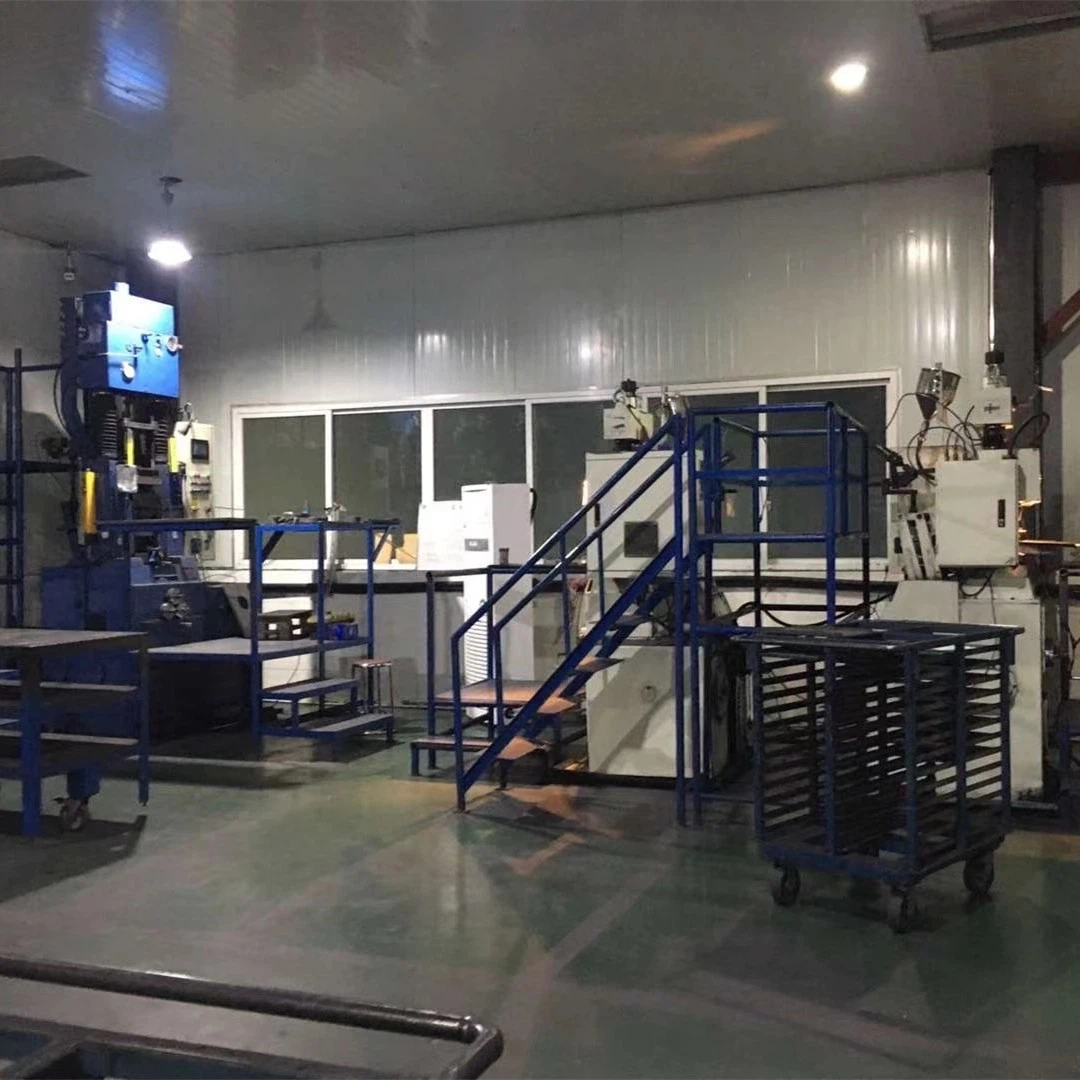
Zigong Sansheng Carbide Co., Ltd. is located in the high-tech industrial park of Zigong City, Sichuan Province. It is a professional manufacturer engaged in the research and development, production, product deep processing and domestic and foreign trade sales. The company has strong technical force, advanced production technology and production equipment, and is one of the best suppliers of tungsten series cemented carbide in China.


FAQ
As one of the leading tungsten carbide button manufacturers and suppliers in China, we warmly welcome you to buy tungsten carbide button for sale here and get free sample from our factory. All customized products are with high quality and competitive price.
tungsten carbide button for shallow drilling, tungsten carbide button supplier, tungsten carbide button for inclined drilling