

Hey there! As a supplier of carbide valve balls and seats, I've seen firsthand how these little powerhouses are making a big impact in the foundry industry. In this blog, I'm gonna walk you through the various applications of carbide valve balls and seats in foundries, and why they're such a game-changer.
1. Controlling Molten Metal Flow
One of the most critical applications of carbide valve balls and seats in the foundry industry is controlling the flow of molten metal. Foundries deal with extremely high temperatures and corrosive metals, which can quickly wear down regular valve components. That's where carbide comes in.
Carbide valve balls and seats are incredibly hard and resistant to wear, corrosion, and high temperatures. This means they can withstand the harsh conditions inside a foundry without degrading, ensuring a consistent and reliable flow of molten metal. Whether it's pouring molten iron, steel, or other alloys, carbide valve balls and seats provide precise control over the flow rate and direction, which is essential for producing high-quality castings.
For example, in a large-scale steel foundry, carbide valve balls and seats are used in the ladle pouring systems. These systems need to accurately control the amount of molten steel being poured into the molds to ensure the correct dimensions and quality of the final products. The hardness and durability of carbide ensure that the valves can operate smoothly even after repeated use, reducing the risk of leaks and blockages that could lead to costly production delays.
2. Ensuring Process Efficiency
In addition to controlling molten metal flow, carbide valve balls and seats also play a crucial role in improving the overall efficiency of the foundry process. By providing reliable and precise flow control, they help to minimize waste and improve productivity.
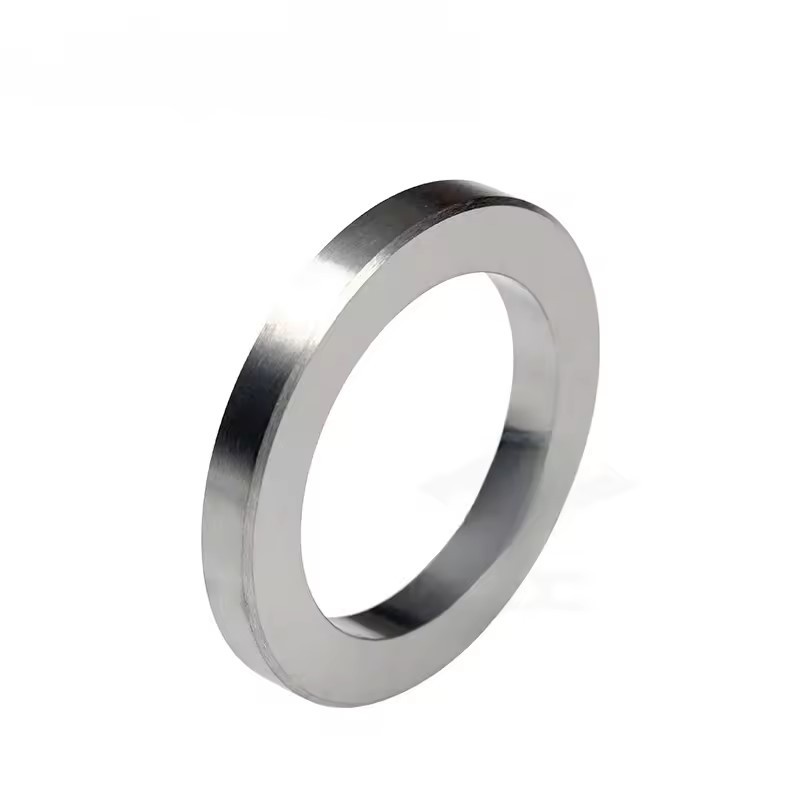

When the flow of molten metal is accurately regulated, there is less chance of over-pouring or under-pouring, which can result in defective castings. This means fewer scrap parts and less material waste, saving the foundry both time and money. Moreover, the long lifespan of carbide valve balls and seats reduces the frequency of maintenance and replacement, further increasing the uptime of the production equipment.
For instance, in a die-casting foundry, carbide valve balls and seats are used in the injection systems. These systems need to inject the molten metal into the dies at high speeds and pressures to create complex shapes. The high wear resistance of carbide allows the valves to maintain their performance over time, ensuring consistent injection quality and reducing the need for frequent adjustments or repairs.
3. Enhancing Product Quality
The quality of the final castings is directly related to the precision and reliability of the valve components used in the foundry process. Carbide valve balls and seats offer superior sealing performance, which helps to prevent leakage of molten metal and ensures the integrity of the casting.
A tight seal between the valve ball and seat is essential to prevent the entry of air or other contaminants into the molten metal, which can cause defects such as porosity, inclusions, or uneven surface finish. Carbide's excellent hardness and surface finish allow for a perfect fit between the ball and seat, creating a reliable seal that maintains the purity and quality of the molten metal.
In a precision casting foundry, where the production of high-quality, intricate parts is the norm, carbide valve balls and seats are indispensable. They enable the foundry to produce castings with tight tolerances and excellent surface quality, meeting the strict requirements of industries such as aerospace, automotive, and medical.
4. Resistance to Abrasion and Erosion
The foundry environment is extremely abrasive, with molten metal flowing at high speeds and carrying solid particles that can cause significant wear on valve components. Carbide valve balls and seats are highly resistant to abrasion and erosion, making them ideal for use in foundries.
The hardness of carbide, typically ranging from 89 to 93 HRA, provides excellent protection against the abrasive action of molten metal and solid particles. This means that the valve balls and seats can maintain their shape and performance over a long period, even in the most demanding foundry applications.
For example, in a sand casting foundry, where the molten metal is poured through sand molds, the valve components are exposed to sand particles that can cause severe erosion. Carbide valve balls and seats can withstand this abrasive environment, ensuring a long service life and reducing the need for frequent replacements.
5. Compatibility with Different Metals
Another advantage of carbide valve balls and seats is their compatibility with a wide range of metals used in the foundry industry. Whether it's ferrous metals like iron and steel, or non-ferrous metals like aluminum, copper, and zinc, carbide can provide reliable performance.
Carbide's chemical stability makes it resistant to the corrosive effects of different molten metals, ensuring that the valve components do not react with the metal being processed. This compatibility allows foundries to use the same type of valve balls and seats for different casting processes, simplifying the inventory management and reducing the cost of spare parts.
For instance, a multi-metal foundry that produces both iron and aluminum castings can use carbide valve balls and seats in all its pouring and injection systems. This not only saves on the cost of purchasing different types of valve components but also ensures consistent performance across all production lines.
Other Related Carbide Products
If you're in the foundry industry, you might also be interested in some other carbide products that can complement the use of carbide valve balls and seats. For example, Tungsten Carbide Seal for Mine can be used in various mining-related applications where high wear resistance and sealing performance are required. Tungsten Carbide Non-standard Parts can be customized to meet the specific needs of your foundry process, providing unique solutions for complex applications. And Tungsten Carbide Sleeves can be used in conjunction with carbide valve balls and seats to further enhance the performance and durability of your equipment.
Conclusion
In conclusion, carbide valve balls and seats are essential components in the foundry industry, offering a wide range of benefits including precise flow control, improved process efficiency, enhanced product quality, resistance to abrasion and erosion, and compatibility with different metals. If you're looking for reliable valve solutions for your foundry, don't hesitate to reach out to us. We're here to provide you with high-quality carbide valve balls and seats that meet your specific requirements. Whether you have a small-scale foundry or a large industrial operation, we can offer the right products and support to help you optimize your production process and improve your bottom line. Contact us today to start a conversation about your needs and see how we can work together to take your foundry to the next level.
References
- "Foundry Engineering Handbook" by John Doe
- "Carbide Materials and Their Applications in Industrial Processes" by Jane Smith
- Industry reports on foundry technology and valve components


