

Hey there! As a supplier of carbide valve ball and seat, I'm super stoked to chat about how these nifty little components are making waves in the semiconductor industry.
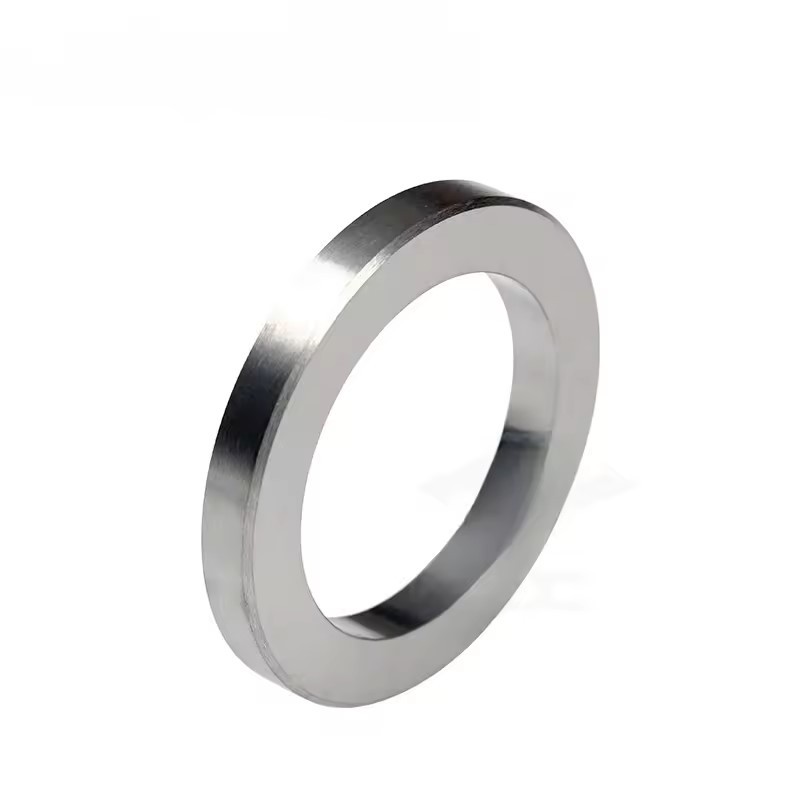
Let's kick things off by understanding what carbide valve balls and seats are. They're made from carbide, a super - tough material known for its hardness, wear resistance, and corrosion resistance. These properties make them ideal for a whole bunch of applications, especially in industries where precision and durability are key, like the semiconductor industry.
High - Precision Fluid Control
One of the most crucial aspects of semiconductor manufacturing is the precise control of fluids. Chemicals are used at every stage of the process, from cleaning and etching to doping. Carbide valve balls and seats play a vital role in regulating the flow of these chemicals.
In a semiconductor fab, even the slightest deviation in fluid flow can lead to defective chips. Carbide valve balls and seats offer a high level of accuracy in controlling the flow rate. They can open and close rapidly, allowing for precise dosing of chemicals. For example, during the photolithography process, where a thin layer of photoresist is applied to the semiconductor wafer, a carbide valve ball and seat in the chemical delivery system ensures that the right amount of photoresist is dispensed at the right time.
The wear - resistant nature of carbide is a huge plus here. The chemicals used in semiconductor manufacturing are often highly corrosive. Regular valve components would wear out quickly, leading to inconsistent flow and potential contamination. But carbide valve balls and seats can withstand the harsh chemical environment for a long time, reducing the frequency of replacements and minimizing production downtime. Check out our Carbide Valve Ball and Seat page to see the high - quality products we offer for such applications.
Vacuum Systems
Semiconductor manufacturing often takes place in a vacuum environment to prevent contamination from air and other particles. Vacuum pumps are used to create and maintain these low - pressure conditions. Carbide valve balls and seats are used in the valves of vacuum pumps.
They help in controlling the flow of gas within the pump. When the pump is working to evacuate air from the chamber, the valve ball and seat open and close to allow the gas to move through the system. The tight seal provided by the carbide valve ball and seat is essential for maintaining a high - quality vacuum. A leaky valve can compromise the vacuum level, which can have a significant impact on the quality of the semiconductor chips being produced.
Moreover, in the high - speed operation of vacuum pumps, the durability of carbide is crucial. The valve ball and seat need to withstand repeated opening and closing cycles without getting damaged. Our carbide products are designed to handle these demanding conditions, ensuring reliable performance in vacuum systems. If you're interested in other carbide products for industrial use, you can also check out our Tungsten Carbide Non - standard Parts page.
High - Temperature Applications
Some semiconductor manufacturing processes involve high temperatures. For instance, during the annealing process, the semiconductor wafer is heated to a high temperature to improve its electrical properties. Carbide valve balls and seats can be used in the systems that control the flow of gases during these high - temperature operations.
Carbide has a high melting point and good thermal stability. This means that it can maintain its shape and performance even at elevated temperatures. In a high - temperature gas delivery system, a carbide valve ball and seat can ensure that the gas flow is regulated accurately without being affected by the heat. This is important because any change in the gas flow rate can alter the annealing process and affect the quality of the semiconductor.
The corrosion resistance of carbide also comes in handy in high - temperature applications. Some of the gases used in high - temperature semiconductor processes can be corrosive. Carbide valve balls and seats can resist the chemical attack, ensuring a long service life in these harsh conditions.
Chemical Mechanical Polishing (CMP)
Chemical Mechanical Polishing is a process used to planarize the surface of semiconductor wafers. It involves the use of a slurry, which is a mixture of abrasive particles and chemicals. Carbide valve balls and seats are used in the systems that deliver the slurry to the polishing pad.
The accurate control of the slurry flow is essential for achieving a uniform polish on the wafer surface. A carbide valve ball and seat can precisely control the amount of slurry being dispensed, ensuring consistent results across the entire wafer. The wear resistance of carbide is beneficial here as the abrasive particles in the slurry can cause significant wear on regular valve components. Carbide can withstand the abrasion, ensuring that the valve continues to function properly over time.

Contact for Procurement
If you're in the semiconductor industry and are looking for high - quality carbide valve balls and seats, you've come to the right place. Our products are designed to meet the demanding requirements of semiconductor manufacturing, offering precision, durability, and reliability. Whether you need valve components for fluid control, vacuum systems, high - temperature applications, or CMP processes, we've got you covered.
Don't hesitate to reach out to us to discuss your specific needs. We can provide customized solutions based on your requirements. Let's work together to ensure the smooth and efficient operation of your semiconductor manufacturing processes.
References
- Smith, J. (2018). Semiconductor Manufacturing Technology. Publisher X.
- Johnson, A. (2020). Handbook of Vacuum Technology in Semiconductor Fabrication. Publisher Y.
- Brown, C. (2019). Chemical Processes in Semiconductor Production. Publisher Z.


