

Compatibility issues of hard facing materials with other materials are crucial considerations in various industrial applications. As a hard facing material supplier, I have witnessed firsthand the significance of understanding these issues to ensure optimal performance and longevity of the components. In this blog post, I will delve into the key compatibility aspects, including chemical, physical, and thermal interactions, and how they impact the selection and application of hard facing materials.
Chemical Compatibility
Chemical compatibility is a fundamental factor when it comes to hard facing materials. Different materials can react with each other under certain conditions, leading to corrosion, oxidation, or the formation of intermetallic compounds. These reactions can weaken the bond between the hard facing material and the substrate, reducing the overall performance and durability of the component.
For example, some hard facing materials may contain elements that are prone to oxidation in high-temperature environments. If these materials are applied to a substrate that is also susceptible to oxidation, the oxidation process can accelerate, leading to premature failure. In such cases, it is essential to select a hard facing material that has good oxidation resistance and is chemically compatible with the substrate.
Another aspect of chemical compatibility is the potential for galvanic corrosion. When two dissimilar metals are in contact in the presence of an electrolyte, such as water or a corrosive solution, a galvanic cell can form. This can result in the corrosion of one of the metals, depending on their relative positions in the galvanic series. To prevent galvanic corrosion, it is important to choose hard facing materials that are close to the substrate in the galvanic series or to use a suitable barrier coating between the two materials.
Physical Compatibility
Physical compatibility refers to the ability of the hard facing material to adhere to the substrate and to withstand the mechanical stresses and strains during service. The adhesion between the hard facing material and the substrate is critical for ensuring the integrity of the coating and preventing delamination or spalling.
Several factors can affect the adhesion of the hard facing material, including the surface preparation of the substrate, the deposition process, and the thermal expansion coefficients of the two materials. Proper surface preparation is essential to remove any contaminants, oxides, or roughness from the substrate surface, which can improve the wetting and bonding of the hard facing material. The deposition process, such as thermal spraying or welding, also plays a crucial role in achieving good adhesion. Different deposition processes have different requirements and limitations, and it is important to select the appropriate process based on the specific application and materials involved.
The thermal expansion coefficients of the hard facing material and the substrate should also be considered. If the two materials have significantly different thermal expansion coefficients, thermal stresses can develop during heating and cooling cycles, which can lead to cracking or delamination of the coating. To minimize these stresses, it is advisable to choose hard facing materials with similar thermal expansion coefficients to the substrate or to use a gradient coating with a gradually changing composition to accommodate the difference in thermal expansion.
Thermal Compatibility
Thermal compatibility is particularly important in applications where the hard facing material is exposed to high temperatures or thermal cycling. The ability of the hard facing material to withstand thermal stresses and maintain its mechanical properties at elevated temperatures is crucial for ensuring the long-term performance of the component.
One of the key factors affecting thermal compatibility is the melting point and thermal stability of the hard facing material. Materials with high melting points and good thermal stability are more likely to retain their hardness and strength at high temperatures. For example, WC-12Ni Thermal Spray is a popular hard facing material known for its high melting point and excellent thermal stability, making it suitable for applications in high-temperature environments.
Another aspect of thermal compatibility is the thermal conductivity of the hard facing material. A high thermal conductivity can help to dissipate heat from the surface of the component, reducing the temperature gradient and minimizing the risk of thermal cracking. On the other hand, a low thermal conductivity can provide better insulation and protect the substrate from excessive heat. The choice of hard facing material with the appropriate thermal conductivity depends on the specific application requirements.
Compatibility with Different Substrates
Hard facing materials are often applied to a variety of substrates, including steels, cast irons, and non-ferrous metals. Each substrate has its own unique properties and characteristics, which can affect the compatibility with the hard facing material.
When applying hard facing materials to steel substrates, it is important to consider the carbon content and the heat treatment of the steel. High-carbon steels may require preheating and post-weld heat treatment to prevent cracking and to ensure good adhesion. The choice of hard facing material should also be compatible with the steel substrate in terms of its chemical composition and mechanical properties.
Cast irons are another common substrate for hard facing applications. Cast irons have a relatively high carbon content and a complex microstructure, which can pose challenges for achieving good adhesion and compatibility with the hard facing material. Special considerations, such as preheating and the use of suitable filler materials, may be required when applying hard facing materials to cast iron substrates.
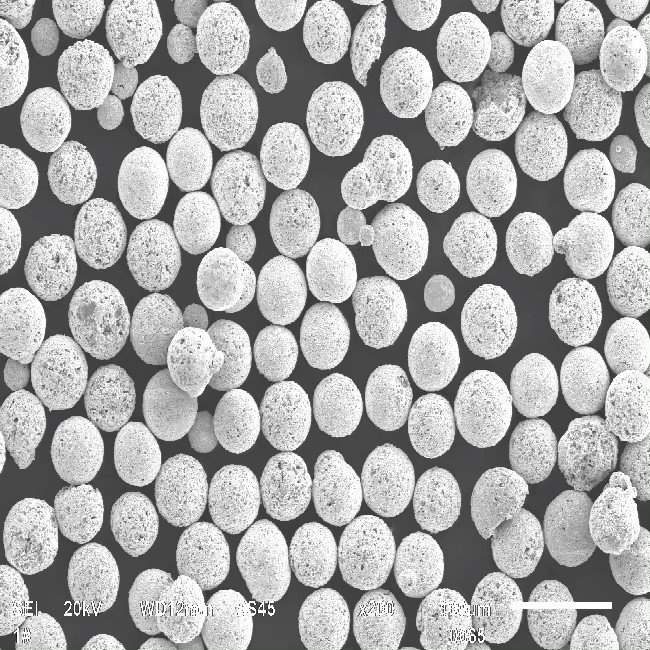

Non-ferrous metals, such as aluminum and copper, have different properties compared to steels and cast irons. They are generally more prone to oxidation and have lower melting points. When applying hard facing materials to non-ferrous metals, it is important to choose materials that are compatible with the substrate in terms of their chemical reactivity and thermal properties. For example, Casting Tungsten Carbide can be a suitable choice for hard facing non-ferrous metals due to its high hardness and wear resistance.
Compatibility with Other Coating Layers
In some applications, multiple coating layers may be applied to the substrate to achieve specific performance requirements. The compatibility between the hard facing material and the other coating layers is crucial for ensuring the overall performance and durability of the coating system.
For example, a primer or intermediate layer may be applied between the substrate and the hard facing material to improve adhesion or to provide additional protection against corrosion. The primer or intermediate layer should be compatible with both the substrate and the hard facing material in terms of their chemical and physical properties. Similarly, if a topcoat is applied over the hard facing material for aesthetic or additional protection purposes, it should be compatible with the hard facing material to prevent delamination or other compatibility issues.
Conclusion
In conclusion, understanding the compatibility issues of hard facing materials with other materials is essential for achieving optimal performance and longevity of the components. Chemical, physical, and thermal compatibility are all important factors that need to be considered when selecting and applying hard facing materials. By carefully evaluating these factors and choosing the appropriate materials and processes, it is possible to minimize the risk of compatibility issues and ensure the successful implementation of hard facing solutions.
As a hard facing material supplier, we are committed to providing our customers with high-quality products and technical support to help them address the compatibility challenges in their applications. Our range of hard facing materials, including WC-12Ni Thermal Spray, Casting Tungsten Carbide, and WC-10Co4Cr Thermal Spraying, is designed to offer excellent compatibility with a wide range of substrates and other materials.
If you have any questions or need further information about the compatibility of our hard facing materials or would like to discuss your specific application requirements, please do not hesitate to contact us. We look forward to working with you to find the best hard facing solutions for your needs.
References
-ASM Handbook, Volume 5: Surface Engineering, ASM International.
-Schwartz, M. M., & Gell, M. (Eds.). (2007). Thermal Spray Technology Handbook. CRC Press.
-Welding Handbook, Volume 2: Welding Processes, American Welding Society.


