

Hey there! As a supplier of tungsten carbide strip, I often get asked about its environmental impact. Well, let's dive right into it and explore what's going on with this nifty material.
What's Tungsten Carbide Strip Anyway?
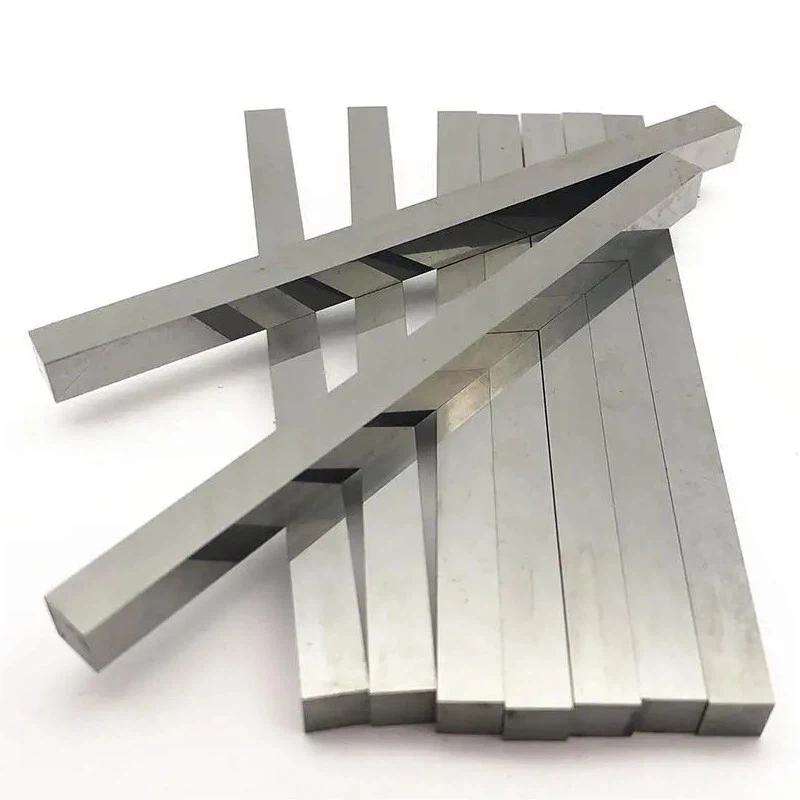
First off, for those who aren't in the know, tungsten carbide strip is a super - tough material. It's made by combining tungsten and carbon, and it's used in a whole bunch of industries. You can find it in Tungsten Carbide Strip For Cutting Tools, which are used in manufacturing to cut through all sorts of stuff, from metal to wood. There's also Tungsten Carbide Plate, which is used in construction and heavy machinery, and Tungsten Carbide Tips for Sandmaking, which helps in making high - quality sand for building.
Mining and Extraction
Let's start at the beginning: mining. Tungsten is usually mined from the earth, and this process has its fair share of environmental issues. Mining operations can lead to deforestation as large areas of land are cleared to make way for mines. This not only destroys habitats for countless plants and animals but also disrupts the local ecosystem.
There's also the problem of soil erosion. When the land is disturbed during mining, the topsoil, which is rich in nutrients, can easily be washed away by rain. This can lead to a decrease in soil fertility in the surrounding areas, making it harder for plants to grow.
Water pollution is another biggie. Mining activities often involve the use of chemicals to extract tungsten from the ore. These chemicals can seep into nearby water sources, contaminating rivers, lakes, and groundwater. This not only affects aquatic life but can also make the water unsafe for human consumption.
Manufacturing Process
Once the tungsten is mined, it's time to turn it into tungsten carbide strip. The manufacturing process is energy - intensive. A lot of heat is required to combine tungsten and carbon, and this usually means burning fossil fuels. As we all know, burning fossil fuels releases greenhouse gases like carbon dioxide into the atmosphere, contributing to global warming.
There are also waste products generated during manufacturing. Some of these waste materials can be hazardous if not disposed of properly. For example, there might be leftover chemicals or metal scraps that contain trace amounts of heavy metals. If these end up in landfills or are released into the environment, they can pose a threat to both human health and the ecosystem.
Product Lifecycle
When it comes to the lifecycle of tungsten carbide strip, there are some environmental pros and cons. On the plus side, tungsten carbide strip is extremely durable. Tools made from it last a long time, which means you don't have to replace them as often. This reduces the demand for new materials and the energy required to manufacture them.
However, at the end of its life, recycling tungsten carbide strip isn't always easy. The process is complex and requires specialized equipment. Many times, instead of being recycled, used tungsten carbide strip ends up in landfills. This not only takes up space but also means that valuable resources are being wasted.

Our Efforts as a Supplier
As a supplier, we're aware of these environmental issues, and we're doing our best to make a positive impact. We're constantly looking for ways to source our tungsten from mines that follow more sustainable practices. This means mines that take steps to minimize deforestation, control soil erosion, and reduce water pollution.
In our manufacturing process, we're investing in more energy - efficient technologies. We're also working on improving our waste management systems to ensure that any waste products are disposed of safely and, whenever possible, recycled.
Benefits of Using Tungsten Carbide Strip
Despite the environmental challenges, there are some good reasons to use tungsten carbide strip. Its durability means that less material is used over time. For example, in cutting tools, a tungsten carbide strip can make thousands of cuts before it needs to be replaced, compared to other materials that might wear out much faster. This not only saves resources but also reduces the amount of waste generated in the long run.
How You Can Help
If you're considering using tungsten carbide strip for your projects, here are some things you can do to be more environmentally friendly. First, make sure to buy from suppliers, like us, who are committed to sustainable practices. Second, when your tungsten carbide strip reaches the end of its life, try to recycle it. You can ask your supplier if they offer recycling services or look for local recycling facilities that can handle it.
Let's Connect
If you're interested in purchasing tungsten carbide strip, we'd love to talk to you. We can provide you with high - quality products while also being conscious of the environment. Whether you need Tungsten Carbide Strip For Cutting Tools, Tungsten Carbide Plate, or Tungsten Carbide Tips for Sandmaking, we've got you covered. So, don't hesitate to reach out and start a conversation about your needs.
References
- International Tungsten Industry Association. (2023). Tungsten Mining and Sustainability Report.
- Environmental Protection Agency. (2022). Guidelines for Metal Recycling and Waste Management.
- Journal of Sustainable Manufacturing. (2021). The Environmental Impact of High - Performance Materials in Manufacturing.


