Hey there! As a supplier of WC - 10Co4Cr thermal spraying, I often get asked about the heat input during this process. So, I thought I'd write this blog to share some insights on what the heat input is all about and why it matters.

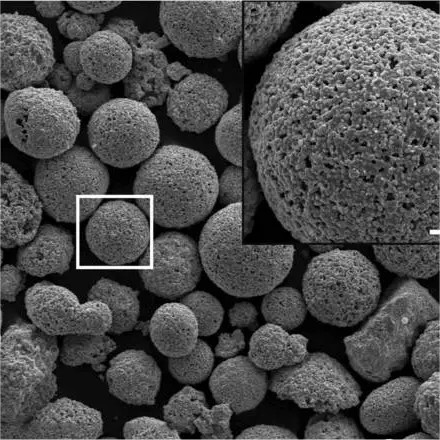
First off, let's understand what WC - 10Co4Cr thermal spraying is. WC - 10Co4Cr is a type of hard - facing material that's widely used in various industries. It consists of tungsten carbide (WC) particles embedded in a cobalt - chromium (Co - Cr) matrix. The thermal spraying process involves heating the WC - 10Co4Cr powder to a molten or semi - molten state and then spraying it onto a substrate to form a protective coating.
Now, the heat input during WC - 10Co4Cr thermal spraying is a crucial factor. It can significantly affect the quality and performance of the coating. The heat input is basically the amount of heat energy transferred to the powder particles and the substrate during the spraying process.
There are a few different ways the heat gets into the system. One of the main sources is the heat generated by the spraying equipment. For example, in high - velocity oxygen - fuel (HVOF) spraying, which is a common method for WC - 10Co4Cr thermal spraying, a combustion process occurs inside the gun. The fuel (usually a hydrocarbon like propane or kerosene) is burned with oxygen, creating a high - temperature and high - velocity jet. This jet heats up the powder particles as they pass through it.
The heat input also depends on the spraying parameters. Things like the flow rate of the fuel and oxygen, the powder feed rate, and the spraying distance all play a role. If the fuel and oxygen flow rates are too high, it can lead to excessive heat input. This might cause the WC particles to decompose, which can degrade the properties of the coating. On the other hand, if the heat input is too low, the powder particles may not melt properly, resulting in a coating with poor adhesion and porosity.
Let's talk about how the heat input affects the coating properties. When the heat input is just right, the WC - 10Co4Cr powder particles melt uniformly and form a dense, well - bonded coating on the substrate. This coating has excellent hardness, wear resistance, and corrosion resistance. It can protect the substrate from abrasion, erosion, and chemical attack, which is why it's so popular in industries like mining, oil and gas, and aerospace.
However, as I mentioned earlier, if the heat input is too high, the WC particles can start to break down. Tungsten carbide is a very hard and stable compound, but at high temperatures, it can react with the surrounding environment. For example, it can react with oxygen in the air to form tungsten oxides. These oxides are much softer than WC, and their presence in the coating can reduce its hardness and wear resistance.
Another issue with excessive heat input is that it can cause thermal stress in the coating and the substrate. When the coating cools down after spraying, it contracts. If the heat input was too high, the contraction can be uneven, leading to the formation of cracks in the coating. These cracks can act as weak points, making the coating more susceptible to failure.
On the flip side, insufficient heat input means that the powder particles don't melt completely. This results in a coating with a lot of pores and poor adhesion to the substrate. Pores in the coating can allow corrosive agents to penetrate through to the substrate, reducing its corrosion resistance. And poor adhesion means that the coating can easily peel off, leaving the substrate unprotected.
So, how do we control the heat input during WC - 10Co4Cr thermal spraying? Well, it's all about finding the right balance of spraying parameters. Our team at the company spends a lot of time experimenting with different combinations of fuel flow rate, oxygen flow rate, powder feed rate, and spraying distance to optimize the heat input. We also use advanced monitoring systems to measure the temperature and velocity of the powder particles during spraying. This allows us to make real - time adjustments to the spraying parameters and ensure that the heat input is within the desired range.
Now, let's compare WC - 10Co4Cr thermal spraying with some other related processes. There's WC - 12Co Thermal Spraying. WC - 12Co is another popular hard - facing material. The main difference between WC - 10Co4Cr and WC - 12Co is the composition. WC - 12Co has a higher cobalt content and no chromium. The heat input requirements for WC - 12Co thermal spraying are a bit different. Because cobalt has a lower melting point than the Co - Cr matrix in WC - 10Co4Cr, the heat input needed to melt the WC - 12Co powder particles may be slightly lower.
Then there's WC - 12Ni Thermal Spray. WC - 12Ni uses a nickel - based matrix instead of cobalt or Co - Cr. Nickel has different thermal properties compared to cobalt and chromium, so the heat input during WC - 12Ni thermal spraying also varies. The spraying parameters need to be adjusted accordingly to achieve the best coating quality.
In conclusion, the heat input during WC - 10Co4Cr thermal spraying is a critical factor that can make or break the quality of the coating. By carefully controlling the heat input through proper selection of spraying parameters and using advanced monitoring techniques, we can produce high - quality WC - 10Co4Cr coatings that meet the specific requirements of our customers.
If you're in need of WC - 10Co4Cr thermal spraying services or want to learn more about WC - 10Co4Cr Thermal Spraying, feel free to reach out. We're always happy to have a chat and discuss how we can help you with your coating needs.
References
- Smith, J. (2018). Thermal Spraying: Principles and Applications. Elsevier.
- Jones, R. (2020). Advances in Hard - Facing Materials for Industrial Applications. Springer.