

Hey there! I'm a supplier in the WC - 12Co thermal spraying business, and today I wanna talk about something super important in this field: the powder feeding rate in WC - 12Co thermal spraying.
First off, let's get a basic understanding of WC - 12Co thermal spraying. WC - 12Co, which stands for Tungsten Carbide - 12% Cobalt, is a widely used material in thermal spraying. It's known for its excellent hardness, wear resistance, and corrosion resistance. These properties make it a top choice for many industries, like aerospace, automotive, and manufacturing. When we're doing thermal spraying with WC - 12Co, the powder feeding rate plays a crucial role.
The powder feeding rate is basically how fast we're feeding the WC - 12Co powder into the thermal spraying system. It's measured in grams per minute (g/min). This rate can have a huge impact on the quality of the coating we're creating. If the powder feeding rate is too low, we might not get enough material to form a proper coating. The coating could end up being too thin, which means it won't have the durability and performance we need. On the other hand, if the rate is too high, the powder might not get heated up properly in the spraying process. This can lead to un - melted particles in the coating, which will also affect its quality.
So, how do we determine the right powder feeding rate? Well, it depends on a few factors. One of the main factors is the type of thermal spraying process we're using. There are different methods like high - velocity oxygen fuel (HVOF) spraying, plasma spraying, and detonation gun spraying. Each of these processes has its own requirements for the powder feeding rate.
For example, in HVOF spraying, which is a very popular method for WC - 12Co thermal spraying, the powder feeding rate typically ranges from 20 to 80 g/min. This process uses a high - velocity jet of oxygen and fuel to heat and accelerate the powder particles. The high velocity helps to ensure that the particles are well - bonded to the substrate. A lower powder feeding rate might be used when we need a very precise and thin coating, while a higher rate can be used for thicker coatings.
Plasma spraying, on the other hand, uses a plasma arc to heat the powder. The powder feeding rate in plasma spraying can be a bit higher, usually between 50 and 150 g/min. The plasma arc can generate very high temperatures, which allows for a faster feeding rate. But again, we need to make sure that the powder is fully melted and properly deposited on the substrate.
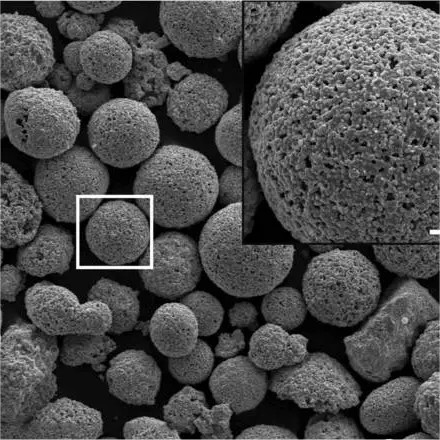
Another factor that affects the powder feeding rate is the size and shape of the WC - 12Co powder particles. Smaller particles generally require a lower feeding rate because they heat up and melt more quickly. Larger particles, on the other hand, need more time to heat up, so we might need to increase the feeding rate slightly to ensure they're fully melted.
The substrate material also plays a role. Different substrates have different heat transfer properties. If the substrate conducts heat very well, it can cool down the powder particles more quickly. In this case, we might need to adjust the powder feeding rate to make sure the particles are still hot enough to bond properly.
Now, let's talk about the benefits of getting the powder feeding rate right. When we have the optimal powder feeding rate, we can create a high - quality coating. The coating will have good adhesion to the substrate, which means it won't peel off easily. It will also have a uniform thickness and density, which improves its wear and corrosion resistance. This can lead to longer - lasting parts and components, which is a huge advantage for our customers.
As a WC - 12Co thermal spraying supplier, I've seen firsthand how important the powder feeding rate is. We always work closely with our customers to understand their specific needs and requirements. We use our experience and knowledge to determine the best powder feeding rate for each project. Whether it's a small - scale job or a large - scale production, we make sure that the coating quality is top - notch.
If you're interested in WC-12Ni Thermal Spray, WC-12Co Thermal Spraying, or Casting Tungsten Carbide, we can provide you with high - quality products and services. We have a team of experts who are always ready to answer your questions and help you with your thermal spraying needs.
In conclusion, the powder feeding rate in WC - 12Co thermal spraying is a critical parameter that can significantly affect the quality of the coating. By considering factors like the spraying process, powder particle size, and substrate material, we can determine the optimal rate for each project. If you're in need of WC - 12Co thermal spraying services or products, don't hesitate to get in touch with us. We're here to help you achieve the best results for your applications.
References

- Some textbooks on thermal spraying technology
- Industry research papers on WC - 12Co coating performance


