

Why Choose Us
Strong R&D capabilities
The company has more than 20 patents in cemented carbide and deep processing technology, new materials, and new technologies, and has strong research and development capabilities.
Production Market
The whole China market, South Asia, south-eastern Asia, East Asia, North America,South America, Europe, etc countries and regions.
Professional team
We have a professional quality control team that follows the ISO9001:2015 system.
Provide OEM service
We work on OEM orders. Which means size, quantity, design, packing solution, etc will depend on your requests.
Zigong Sansheng Carbide Co., Ltd. is located in the high-tech industrial park of Zigong City, Sichuan Province. It is a professional manufacturer engaged in the research and development, production, product deep processing and domestic and foreign trade sales. The company has strong technical force, advanced production technology and production equipment, and is one of the best suppliers of tungsten series cemented carbide in China.
Related Product

Tungsten carbide strips with different grades are High density, hardness , bending strength and Good wear resistance tungsten carbide strips for tool parts permanent wearing. High standard quality,competitive price.,Carbide strips are used for making hammer for sand making machines, woodworking tools, to cut the plastic products, etc

Tungsten carbide plates that are especially suitable for protecting surfaces against abrasive and erosive wear. The plates are made of tungsten carbide and can be adjusted with different chemical compositions to the requirements of each specific.

Tungsten Carbide Tips For Sandmaking
Material: 100% virgin raw material
Grade No: YG6, YG8, YG11, YG15, YG6X, YG8X, YG11X, YG15X
Usage: For woodworking metalworking and stone cutting tools.

Tungsten carbide strips blanks is a highly efficient and green material, which features qualities of stainless steel: Corrosion resistance,oxidation resistance, wear resistance, bonding proof and acid-base resistance; And ensures its good strength, toughness, bending and stretching, impact resistance.
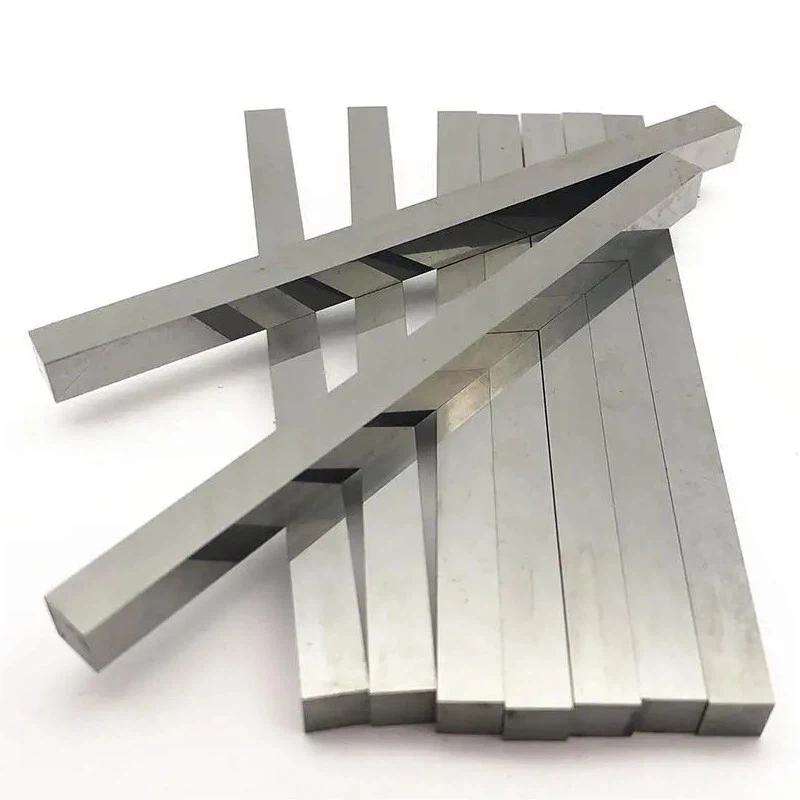
Tungsten Carbide Strip For Cutting Tools
The main composition of tungsten carbide strips is tungsten carbide powders and cobalt powders. With its wear resistant and corrosion resistant ability, tungsten carbide nowadays is widely used in many areas such as: cutting tools , moulds , oil and automobile industry etc.

Carbide Hammer Tips For Hammer Crusher
Tungsten carbide hammer tips are used to make throwing heads, mainly used in the core components of vertical impact crushers. They are assembled on the hammer head of the crusher by bonding or welding, using the advanced crushing principle of stone to stone.
Tungsten carbide plates/sheets/flat stocks are widely used in molding, woodworking, recycling, and chemical industries where excellent wear, corrosion, or high-temperature resistance is required. KoneCarbide offers carbide plates in varied grades, including TF21, GM23, and GC28. We supply both ground and unground tungsten carbide sheets. Apart from standard-sized plates, we also offer customization services according to your requirements. Request for quotation and our sales team and engineers will work together to provide the most cost-efficient solution for you.
Benefits of Tungsten Carbide Plate
Unmatched Hardness
Tungsten carbide plates boast an extraordinary hardness that surpasses that of traditional metals such as steel. This exceptional hardness renders them highly resistant to abrasion, making them ideal for applications where wear and tear are prevalent.
Wear Resistance
In industrial settings characterized by harsh operating conditions and abrasive environments, wear resistance is paramount. Tungsten carbide plates excel in this regard, exhibiting unparalleled resistance to abrasion, erosion, and corrosion. As a result, they maintain their structural integrity and performance over prolonged periods, minimizing downtime and maintenance costs.
Exceptional Strength-to-Weight Ratio
Despite their formidable hardness, tungsten carbide plates possess a remarkable strength-to-weight ratio, surpassing that of traditional metals. This unique combination of strength and lightness makes them well-suited for applications where weight reduction is desired without compromising on structural integrity.
High Temperature Resistance
Industrial processes often entail exposure to extreme temperatures, necessitating materials capable of withstanding thermal stress. Tungsten carbide plates, characterized by their high melting point and thermal stability, exhibit exceptional resistance to heat, ensuring reliable performance even in the harshest operating conditions.
Precision Machining Capabilities
Tungsten carbide plates lend themselves to precision machining with unparalleled ease and accuracy. Their inherent hardness allows for intricate shaping and machining, enabling the creation of intricate components and parts with utmost precision and consistency.
Versatility Across Industries
From cutting tools and wear parts to dies and molds, tungsten carbide plates find a myriad of applications across diverse industries. Whether in automotive manufacturing, aerospace engineering, or oil and gas exploration, these plates play a pivotal role in enhancing efficiency, productivity, and reliability across various industrial processes.
Application of Tungsten Carbide Plate
Cutting and Milling Tools
Tungsten carbide plates serve as the backbone of cutting and milling tools used in metalworking, woodworking, and machining applications. Their exceptional hardness and wear resistance make them indispensable for achieving precise cuts, high-quality finishes, and extended tool life.
Die and Mold Manufacturing
The hardness and precision machinability of tungsten carbide plates make them indispensable for die and mold manufacturing in the plastics, automotive, and electronics industries. Whether for injection molding, extrusion, or stamping, these plates facilitate the production of complex and high-precision components with exceptional repeatability and accuracy.

Wear Parts and Components
In industries where abrasion and wear are prevalent, such as mining, construction, and manufacturing, tungsten carbide plates find extensive use in wear parts and components. From drill bits and cutting edges to crusher liners and conveyor belts, these plates ensure optimal performance and longevity in demanding environments.
Oil and Gas Exploration
In the oil and gas industry, where drilling operations are conducted in challenging geological formations, tungsten carbide plates play a crucial role in drill bits and downhole tools. Their superior hardness and wear resistance enable efficient drilling through rock, shale, and other formations, thereby enhancing drilling performance and productivity.
Tungsten Carbide Plate Vs Steel
Wear resistance
While most tool steels have incredibly high wear resistance, tungsten carbide does win the award for having the greatest wear resistance out of the two. This value is essentially used to describe how hard it is to remove the material through wear. This quality is essential in the machine cutting industry, meaning tungsten carbide wins a point here.
Toughness
If it's toughness you're after, then steel definitely wins. Tungsten carbide shouldn't be your first choice when it comes to choosing a material known for its toughness. Toughness refers to a material's ability to withstand impacts and sustain shocks without breaking. Due to tungsten carbide's density, it has a low toughness value. If toughness is an important quality for your project, you would be better off using d2 tool steel or something similar.
Maintenance needs
The increased wear-resistance of tungsten carbide plate means that it's rarely damaged and doesn't require changing as often as most tool steels. This is a vital quality for the machine cutting industry. For example, if your guillotine blades need replacing regularly, your factory plate experience a lot of downtime. Using tungsten carbide in your machine knives reduces this need and maximises profitability.
Cost
The cost of tungsten carbide plate is much higher than steel as it is more difficult to obtain. However, it ultimately depends on the situation you require the material for. Due to its longevity and wear resistance, machine knives made from tungsten carbide plate last longer than blades made from steel, so it may be worth considering the cost of steel replacements and deciding on a material that way.
Edge retention
Compared to tool steels, blades made from tungsten carbide plate hold their cutting edge for a dramatically longer period of time. This is also true when working at high temperatures, which may be crucial depending on your project.
Sharpening
Although tungsten carbide will hold its edge for much longer than steel, it is very difficult to re-sharpen carbide edges if it becomes dull. While steel may not hold its edge for as long as tungsten carbide, it is much easier to sharpen, increasing its longevity over time.
Tungsten Carbide Plate Properties
Strength
Tungsten carbide has very high strength for a material so hard and rigid. Compressive strength is higher than virtually all melted and cast or forged metals and alloys.
Rigidity
Tungsten carbide compositions range from two to three times as rigid as steel and four to six times as rigid as cast iron and brass. Young's Modulus is up to 94,800,000 psi.
Thermal Conductivity
Tungsten carbide is in the range of twice that of tool steel and carbon steel.High resistance to deformation and deflection is very valuable in those many applications where a combination of minimum deflection and good ultimate strength merits first consideration. These include spindles for precision grinding and rolls for strip or sheet metal.
Impact Resistant
For such a hard material with very high rigidity, the impact resistance is high. It is in the range of hardened tool steels of lower hardness and compressive strength.
Heat and oxidation resistance
Tungsten-base carbides perform well up to about 1000°F in oxidizing atmospheres and to 1500°F in non-oxidizing atmospheres
Low temperature resistance (cryogenic properties)
Tungsten carbide retains toughness and impact strength in the cryogenic temperature ranges. (-453°F.)

How to Choose Tungsten Carbide Plate
Product quality
When choosing a tungsten carbide plate supplier, the first thing to consider is the quality of its products. You can start from the manufacturer's production technology, product testing, etc. to ensure that the selected product meets your needs.
Price
The price of tungsten carbide plates varies from different manufacturers, and it is necessary to comprehensively consider whether they can provide cost-effective products.
Supply Capacity
When choosing a tungsten carbide plate supplier, you need to consider whether its supply capacity is sufficient to ensure your needs.
After-sales service
After-sales service is also one of the important factors to consider when choosing a supplier. Excellent suppliers will provide customers with thoughtful after-sales service and help customers solve problems.
Credibility
When choosing a tungsten carbide plate company, you need to understand its credibility and whether there have been any after-sales complaints.
Process Of Tungsten Carbide Plate
Batching and mixing
The machining of tungsten carbide plate with the careful selection and mixing of tungsten carbide and cobalt powders. These raw materials are mixed according to specific requirements to ensure the quality and performance of the final product.
Crushing and drying
The mixed materials then undergo crushing and drying processes to prepare for subsequent forming steps. This stage is key to ensuring the uniformity and flowability of the material.
Binder addition and granulation
After sieving, a specific binder is added to the mix, followed by drying and sieving again to create the mixture. Then, this mixture is formed by pressing and sintered in a vacuum low-pressure sintering furnace.
Sintering and inspection
After sintering, the tungsten carbide blanks undergo strict quality inspections, including non-destructive ultrasonic testing and dimensional accuracy checks, to ensure they meet stringent quality standards.
Heat treatment
The heat treatment process is vital for enhancing the performance of tungsten carbide. Although usually not required, certain applications may need treatments to eliminate internal stresses. If specific hardness tolerances are required, heat treatment can be used for precise control.
Surface treatment
Surface treatment of tungsten carbide mainly includes mirror polishing to achieve an extremely fine surface roughness, thus improving its wear resistance. If further enhancement in wear resistance and hardness is needed, PVD coating treatments are commonly used.
Material Quality
The quality of tungsten carbide used in manufacturing plates significantly influences their longevity and durability. High-quality carbide with uniform grain size and distribution ensures consistent performance and resistance to wear. It is essential to source tungsten carbide plates from reputable manufacturers known for their adherence to stringent quality standards and advanced production techniques.
Surface Finish
The surface finish of tungsten carbide plates plays a crucial role in their performance and longevity. Proper finishing techniques, such as grinding and polishing, help reduce surface roughness and eliminate defects that can accelerate wear and degradation. A smooth and uniform surface finish promotes efficient fluid flow and minimizes frictional losses, thereby extending the service life of swirl chamber plates in fluid handling systems.
Coating and Protection
Applying protective coatings or surface treatments to tungsten carbide plates can enhance their resistance to corrosion, erosion, and abrasion. Coatings such as titanium nitride (TiN) or chromium carbide (CrC) provide an additional layer of protection against harsh operating environments, prolonging the lifespan of swirl chamber plates exposed to corrosive fluids or abrasive particles. It is essential to select coatings that are compatible with the specific application and operating conditions to ensure optimal performance and durability.
Proper Installation and Maintenance
Proper installation and regular maintenance are essential for maximizing the longevity and durability of tungsten carbide plates. During installation, ensure that plates are securely mounted and aligned to prevent premature wear and damage. Implement a proactive maintenance regimen, including routine inspection, cleaning, and lubrication, to identify and address any issues before they escalate. Regular maintenance helps preserve the integrity of swirl chamber plates and ensures uninterrupted operation of fluid handling systems.
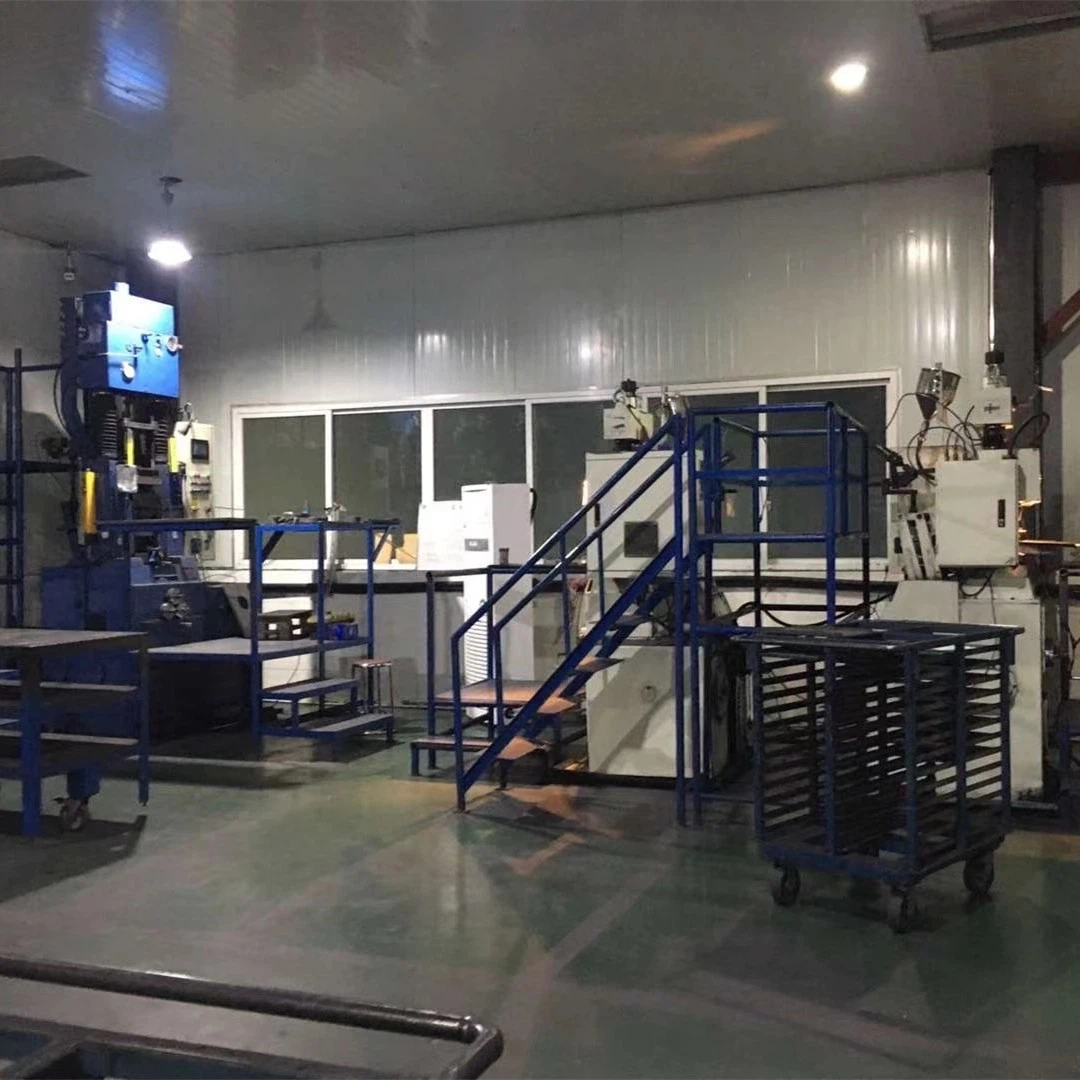
Factory pictures


FAQ
Hot Tags: tungsten carbide plate, China tungsten carbide plate manufacturers, suppliers, factory, carbide durable brazed tip, insert tungsten carbide brazed tip, brazed tungsten carbide tool tip, carbide milling brazed tip, milling tungsten carbide brazed tip, tungsten carbide button importer


