

Why Choose Us
Strong R&D capabilities
The company has more than 20 patents in cemented carbide and deep processing technology, new materials, and new technologies, and has strong research and development capabilities.
Production Market
The whole China market, South Asia, south-eastern Asia, East Asia, North America,South America, Europe, etc countries and regions.
Professional team
We have a professional quality control team that follows the ISO9001:2015 system.
Provide OEM service
We work on OEM orders. Which means size, quantity, design, packing solution, etc will depend on your requests.
Zigong Sansheng Carbide Co., Ltd. is located in the high-tech industrial park of Zigong City, Sichuan Province. It is a professional manufacturer engaged in the research and development, production, product deep processing and domestic and foreign trade sales. The company has strong technical force, advanced production technology and production equipment, and is one of the best suppliers of tungsten series cemented carbide in China.
Related Product

Tungsten carbide strips with different grades are High density, hardness , bending strength and Good wear resistance tungsten carbide strips for tool parts permanent wearing. High standard quality,competitive price.,Carbide strips are used for making hammer for sand making machines, woodworking tools, to cut the plastic products, etc

Tungsten carbide plates that are especially suitable for protecting surfaces against abrasive and erosive wear. The plates are made of tungsten carbide and can be adjusted with different chemical compositions to the requirements of each specific.

Tungsten Carbide Tips For Sandmaking
Material: 100% virgin raw material
Grade No: YG6, YG8, YG11, YG15, YG6X, YG8X, YG11X, YG15X
Usage: For woodworking metalworking and stone cutting tools.

Tungsten Carbide Strip For Cutting Tools
Tungsten carbide strips blanks is a highly efficient and green material, which features qualities of stainless steel: Corrosion resistance,oxidation resistance, wear resistance, bonding proof and acid-base resistance; And ensures its good strength, toughness, bending and stretching, impact resistance.
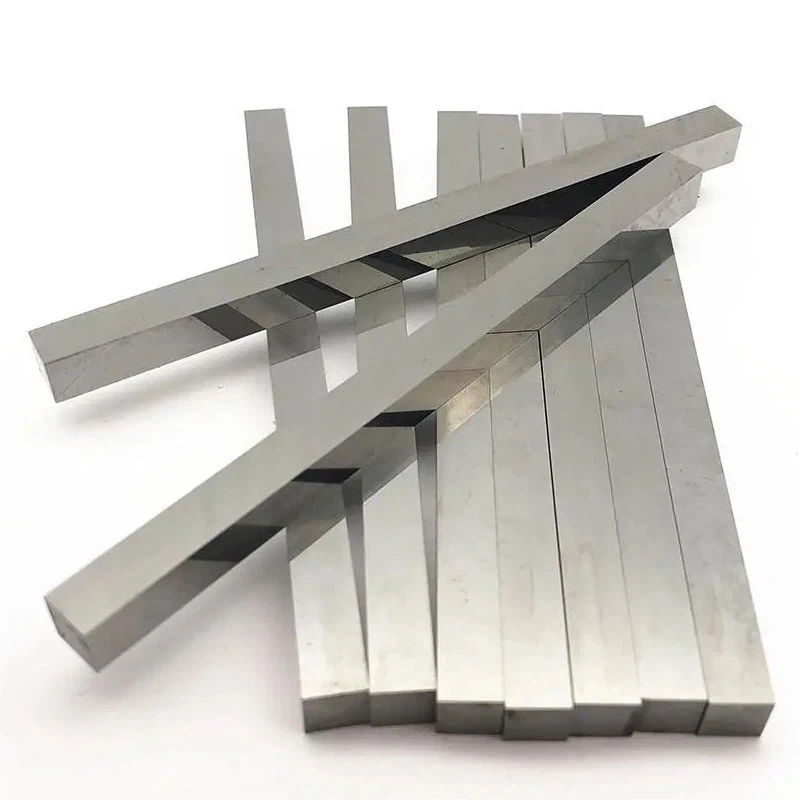
Tungsten Carbide Strip For Cutting Tools
The main composition of tungsten carbide strips is tungsten carbide powders and cobalt powders. With its wear resistant and corrosion resistant ability, tungsten carbide nowadays is widely used in many areas such as: cutting tools , moulds , oil and automobile industry etc.

Carbide Hammer Tips For Hammer Crusher
Tungsten carbide hammer tips are used to make throwing heads, mainly used in the core components of vertical impact crushers. They are assembled on the hammer head of the crusher by bonding or welding, using the advanced crushing principle of stone to stone.
Tungsten Carbide Strip For Cutting Tools are composite materials composed of tungsten carbide particles bonded together by a metallic binder, typically cobalt. This unique composition results in a material with extraordinary hardness and wear resistance, surpassing that of conventional metals and alloys. The microstructure of tungsten carbide plates, characterized by uniformly distributed carbide grains within the metallic matrix, imparts superior mechanical properties, including high compressive strength and toughness.
Benefits of Tungsten Carbide Strip For Cutting Tools
Exceptional Hardness and Strength
Tungsten Carbide Strip For Cutting Tools is renowned for its extraordinary hardness, ranking about 8.5 to 9 on the Mohs hardness scale. This makes it second only to diamonds and significantly harder than most metals and materials commonly used in industrial applications. This incredible hardness translates into exceptional strength and durability, allowing Tungsten Carbide Strip For Cutting Tools to withstand extreme conditions without deformation or breakage.
Resistance to High Temperatures
One of the most remarkable properties of Tungsten Carbide Strip For Cutting Tools is its ability to maintain its strength and stability under high temperatures. It has a melting point of about 2,870°C (5,200°F), which is higher than most metals and materials. This resistance to heat makes it ideal for applications that involve high-temperature processes, such as metalworking and mining.
Versatility in Applications
Tungsten Carbide Strip For Cutting Tools unique properties make it suitable for a wide range of applications. It is used in the production of cutting tools, abrasives, armor-piercing rounds, jewelry, and even surgical instruments. Its versatility is a testament to its incredible properties and the innovative ways in which it has been utilized across different industries.
Superior Wear Resistance
The wear resistance of Tungsten Carbide Strip For Cutting Tools is unparalleled, making it the material of choice for components that are subject to high levels of friction and wear. This includes industrial machinery parts, cutting tools, and even sports equipment. Tungsten Carbide Strip For Cutting Tools ability to resist wear extends the lifespan of these products, reducing the need for frequent replacements and maintenance.
The Role of Tungsten Carbide Strip For Cutting Tools Balls in Precision Applications
Tungsten Carbide Strip For Cutting Tools balls are used in a variety of precision applications, including ball bearings, ball screws, and valves. Their exceptional hardness and wear resistance make them ideal for use in environments where durability and precision are critical. Tungsten Carbide Strip For Cutting Tools balls can withstand extreme loads and are resistant to corrosion, ensuring reliable performance over time.
Tungsten Carbide Strip For Cutting Tools Enhance Cutting Efficiency
Tungsten Carbide Strip For Cutting Tools are commonly used in cutting tools, such as saw blades, drill bits, and mining tools. These tips maintain a sharp edge longer than steel tips, enhancing cutting efficiency and reducing the frequency of tool replacement. The use of Tungsten Carbide Strip For Cutting Tools has revolutionized the machining and mining industries, allowing for faster, more precise cutting operations.
Environmental Resistance
In addition to its resistance to wear and high temperatures, Tungsten Carbide Strip For Cutting Tools is also highly resistant to corrosion, oxidation, and most acids. This environmental resistance makes it suitable for use in harsh chemical environments and applications where exposure to corrosive substances is common.
Economic and Environmental Impact
The durability and longevity of Tungsten Carbide Strip For Cutting Tools products contribute to their economic and environmental benefits. By reducing the need for frequent replacements, Tungsten Carbide Strip For Cutting Tools helps save on material costs and minimizes waste. Furthermore, the recycling of Tungsten Carbide Strip For Cutting Tools is a growing practice, further enhancing its environmental sustainability.
Metalworking
One of the most important applications is cutting metals, including turning, milling, and grooving. With their hardness and durability, carbide strips can process a variety of metals such as steel, stainless steel, cast iron, and non-ferrous metals.
Woodworking
Tungsten carbide strip for cutting tools can also be used in the manufacturing of woodworking cutters for wood cutting and shaping, including planer blades, carbide insert knives, and moulding knives. The high efficiency and precision of carbide strips ensure clean and smooth cuts.
Mining and construction
Tungsten carbide strip for cutting tools can be used in various cutting tools such as bullet teeth, road milling teeth, roadheader bits, and more. With excellent cutting performance and wear resistance, carbide strips can reduce equipment downtime and improve drilling efficiency in different environments.
Wear parts
Apart from being wear-resistant, tungsten carbide strip for cutting tools are also abrasion and erosion resistant. Therefore, they can be used in the manufacturing of wear parts.
Medical
In the medical industry, tungsten carbide strip for cutting tools are suitable for the manufacturing of surgical instruments which require high precision and durability.
Properties of Tungsten Carbide Strip For Cutting Tools
Exceptional Hardness and Wear Resistance
The most notable property of Tungsten Carbide Strip For Cutting Tools is their exceptional hardness. Measured on the Mohs scale, tungsten carbide ranks about 8.5 to 9, making it significantly harder than many other materials. This hardness translates directly into superior wear resistance, allowing Tungsten Carbide Strip For Cutting Tools to maintain their shape and size under conditions that would cause significant wear to softer materials.
High Load Bearing Capacity
Tungsten carbide's density and strength enable it to withstand high loads, making it ideal for applications involving heavy pressures and stresses. This high load-bearing capacity ensures that Tungsten Carbide Strip For Cutting Tools perform reliably in demanding mechanical systems.
Corrosion and Heat Resistance
Another key property of tungsten carbide is its resistance to corrosion and high temperatures. Tungsten Carbide Strip For Cutting Tools can operate effectively in environments that are corrosive or where temperatures are extreme, without degradation of their surface or structure.

How to Choose Tungsten Carbide Strip For Cutting Tools
Different metals and alloys have varying properties and characteristics, which can affect their behavior during the wire drawing process. Choose a tungsten carbide strip for cutting tools that is compatible with the material you are working with to ensure efficient drawing and minimize tool wear.
The diameter of the wire being drawn and the desired reduction ratio will influence the size and configuration of the tungsten carbide strip for cutting tools required. Larger diameter wires and higher reduction ratios may necessitate larger and more robust drawing bars to withstand the increased forces involved.
The surface finish of the drawn wire is an important consideration, especially in applications where smoothness and aesthetics are critical. Select a tungsten carbide strip for cutting tools with the appropriate surface finish to achieve the desired results, whether it be a polished, ground, or textured surface.
Consider the operating conditions of your wire drawing process, including factors such as temperature, pressure, speed, and lubrication. Choose a tungsten carbide strip for cutting tools that is capable of performing reliably under the specific conditions encountered in your application, whether it be high-speed drawing, dry drawing, or drawing in a corrosive environment.
Tungsten carbide strip for cutting tools are available in various designs and configurations to accommodate different wire drawing setups and requirements. Whether you're using a single die or a multi-die setup, choose a tungsten carbide strip for cutting tools that is compatible with your equipment and workflow, ensuring seamless integration and optimal performance.
Production Process of Carbide Strip For Cutting Tools
Raw Material Selection:The tungsten carbide powder is mixed with a binder material, often cobalt, to form a cohesive mixture. The ratio of tungsten carbide to binder material influences the burr's hardness and toughness.
Mixing and Binding:The tungsten carbide powder is mixed with a binder material, often cobalt, to form a cohesive mixture. The ratio of tungsten carbide to binder material influences the burr's hardness and toughness.
Compaction:The mixture is then pressed into the desired shape using high-pressure machinery. This process creates a "green compact" that roughly resembles the final burr shape.
Sintering:The green compact is heated in a controlled atmosphere furnace in a process called sintering. During sintering, the binder material melts and fuses the tungsten carbide particles together, resulting in a solid and dense carbide structure.
Brazing:After the meticulous sintering process, the Tungsten Carbide Strip For Cutting Tools enters a crucial phase known as brazing. This step involves the application of a brazing material, often a composite of copper and silver alloys, to facilitate the bonding of the hard alloy head to its steel shank.
Best Practices for Working with Tungsten Carbide Strip For Cutting Tools
Select the right grade
Choose tungsten carbide strip for cutting tools with the appropriate grade and composition for the intended application. Consider factors such as operating temperature, pressure, and fluid compatibility when selecting the grade of carbide to ensure optimal performance and longevity.
Implement proper handling and storage
Handle tungsten carbide strip for cutting tools with care to avoid damage or contamination during transportation and storage. Store plates in a clean, dry environment away from moisture, chemicals, and abrasive materials. Use protective packaging or containers to prevent physical damage and maintain surface integrity.

Optimize design and geometry
Work closely with engineers and designers to optimize the design and geometry of swirl chamber plates for maximum efficiency and durability. Incorporate features such as smooth flow channels, erosion-resistant coatings, and reinforced edges to enhance performance and extend service life.
Monitor performance and wear
Implement a comprehensive monitoring system to track the performance and wear of tungsten carbide strip for cutting tools over time. Regularly inspect plates for signs of wear, erosion, or damage, and replace them as needed to prevent downtime and maintain system efficiency.
How to Maintain Tungsten Carbide Strip For Cutting Tools
Clean and dry environment
Tungsten carbide strip for cutting tools in a clean, dry environment free from moisture, humidity, and contaminants. Moisture can cause corrosion or rusting of the carbide bars, while contaminants such as dirt, oil, or debris can affect their surface finish or dimensional accuracy. Use sealed containers or cabinets to protect the carbide bars from environmental factors.
Proper handling
Handle carbide drawing bars with care to avoid chipping, scratching, or dropping them. Use protective gloves or handling tools when moving or transporting the carbide bars to prevent damage to their surface or edges. Avoid stacking carbide bars directly on top of each other to prevent potential damage or deformation.
Individual packaging
Tungsten carbide strip for cutting tools individually or in small batches to prevent contact or friction between bars. Wrap each carbide bar in protective packaging, such as foam inserts, plastic sleeves, or anti-corrosion paper, to provide an additional layer of protection against damage or contamination. Label each package with the type, size, and specifications of the carbide bars for easy identification.
Temperature and humidity control
Maintain stable temperature and humidity levels in the storage area to prevent fluctuations that could affect the integrity of the tungsten carbide strip for cutting tools. Extreme temperatures or humidity can cause expansion or contraction of the carbide material, leading to dimensional changes or stress within the bars. Use climate-controlled storage facilities or dehumidifiers to regulate environmental conditions.
Regular inspection
Periodically inspect tungsten carbide strip for cutting tools for signs of damage, corrosion, or deterioration. Check for any surface irregularities, discoloration, or changes in dimensions that may indicate potential issues with the carbide bars. Address any issues promptly by cleaning, re-packaging, or replacing damaged carbide bars to prevent further damage or deterioration.
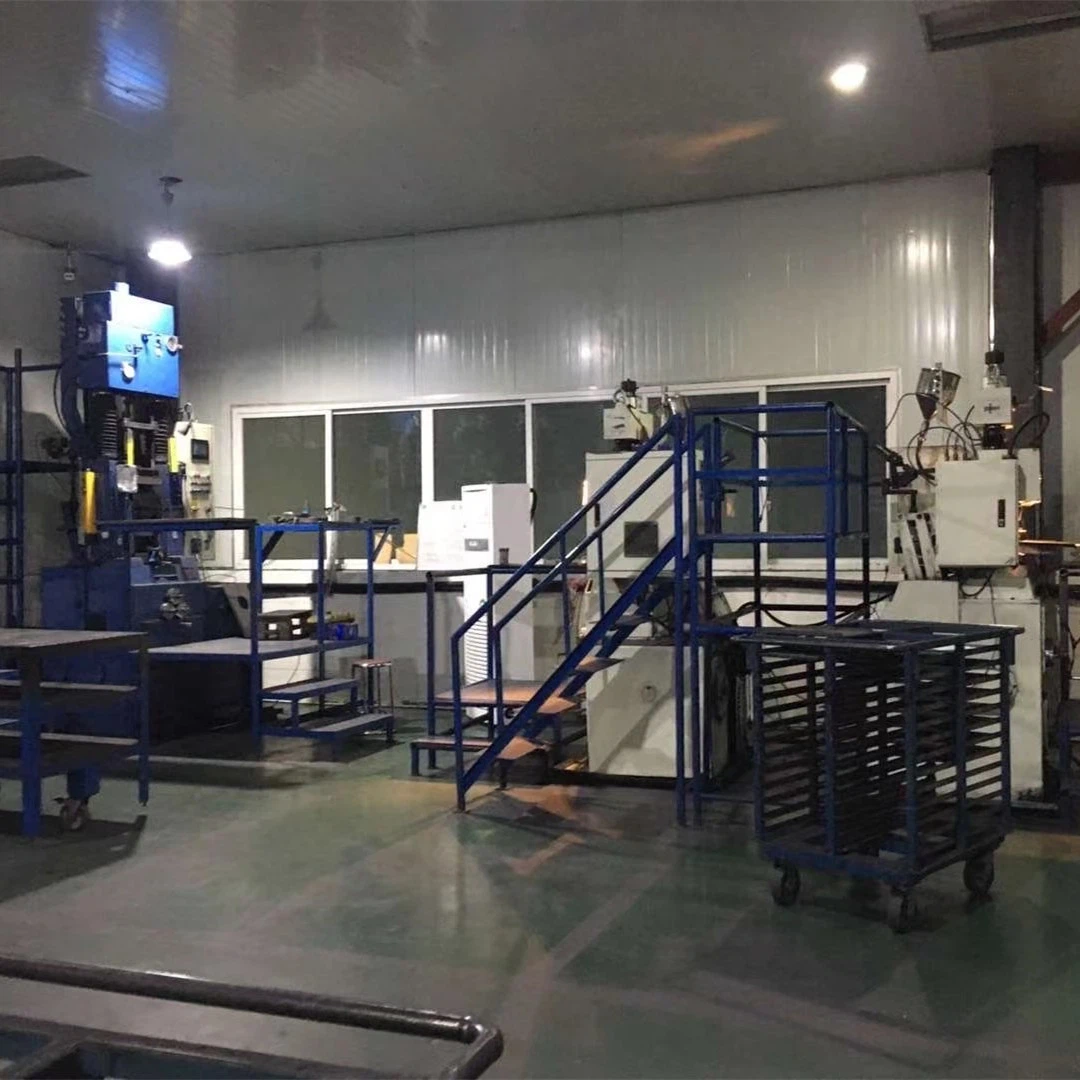
Factory pictures


FAQ
Hot Tags: tungsten carbide strip for cutting tools, China tungsten carbide strip for cutting tools manufacturers, suppliers, factory, durable tungsten carbide brazed tip, carbide durable brazed tip, brazed tungsten carbide grinding tip, tungsten carbide button for hard rock drilling, tungsten carbide button for limestone drilling, carbide grinding brazed tip


