

Hey there! As a supplier of tungsten carbide strip, I've seen firsthand how heat treatment can really shake things up when it comes to the properties of this super - useful material. So, let's dig into what heat treatment does to tungsten carbide strip.
What's Tungsten Carbide Strip Anyway?
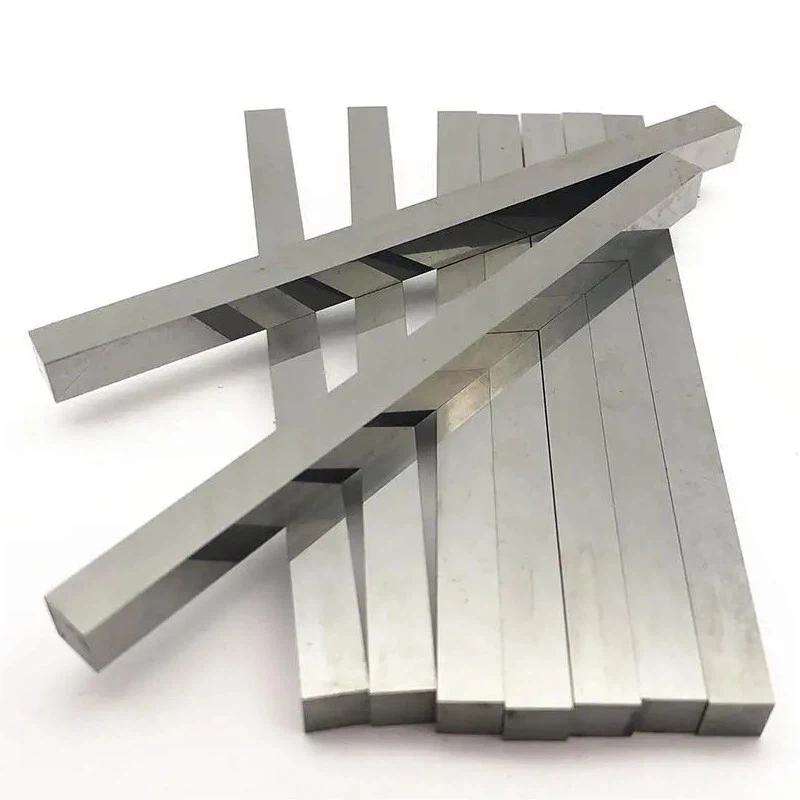
Before we jump into heat treatment, let me quickly explain what tungsten carbide strip is. Tungsten carbide is a super - tough compound made of tungsten and carbon. The strip form is just a long, thin piece of it. It's used in all sorts of industries, like manufacturing cutting tools. If you're in the market for cutting tools, you might want to check out Tungsten Carbide Strip For Cutting Tools.
The Basics of Heat Treatment
Heat treatment is all about heating and cooling a material in a controlled way to change its properties. For tungsten carbide strip, this process can be a game - changer. There are a few different types of heat treatment, but the main ones we'll talk about are annealing, quenching, and tempering.
Annealing
Annealing is like giving the tungsten carbide strip a chill pill. We heat it up to a specific temperature and then cool it down slowly. This helps to relieve internal stresses that might have built up during manufacturing, like when the strip was being shaped or formed. When we anneal the strip, it becomes more ductile. That means it can bend a bit without breaking. This is super important if you're using the strip in applications where it might need to flex a little, like in some custom - shaped cutting tools.
Quenching
Quenching is the opposite of annealing in a way. We heat the tungsten carbide strip to a really high temperature and then cool it down really fast, usually by dunking it in a special liquid like oil or water. This makes the strip harder. The rapid cooling traps the atoms in the tungsten carbide in a specific arrangement that gives it more strength. But here's the catch: quenching can also make the strip more brittle. So, if you're going to quench your tungsten carbide strip, you've got to be careful. You don't want it to break easily when it's being used in a tool.
Tempering
Tempering comes in after quenching. Since quenching can make the strip brittle, tempering is like a follow - up to fix that. We heat the quenched strip to a lower temperature than the quenching temperature and then cool it down. This process reduces the brittleness while still keeping a good amount of the hardness that we got from quenching. It's like finding the perfect balance between being hard and being able to withstand a little bit of shock without shattering.
Effects on Mechanical Properties
The heat treatment processes have a big impact on the mechanical properties of the tungsten carbide strip.
Hardness
As I mentioned before, quenching and tempering can increase the hardness of the strip. A harder strip is great for cutting tools because it can cut through tough materials like metal or wood more easily. It also lasts longer because it doesn't wear down as quickly. For example, if you're using a cutting tool made from a heat - treated tungsten carbide strip to cut through stainless steel, it'll stay sharp for a lot longer than a non - heat - treated one.
Toughness
Toughness is all about how well the strip can absorb energy without breaking. Annealing can improve the toughness of the strip by relieving internal stresses. And tempering after quenching helps to maintain a good level of toughness while still keeping the hardness. If you're using the strip in a high - impact application, like in a tool that's going to be hitting hard surfaces repeatedly, a tough strip is essential.
Wear Resistance
Wear resistance is crucial for tungsten carbide strip, especially in cutting applications. Heat treatment can improve wear resistance by changing the microstructure of the material. When the strip is harder and has a more stable atomic structure, it can better withstand the abrasion that comes from cutting through different materials. This means less downtime for tool replacement and more productivity in your manufacturing process.
Effects on Physical Properties
Heat treatment also affects the physical properties of the tungsten carbide strip.
Density
The density of the strip can change slightly after heat treatment. Quenching and tempering can cause some changes in the atomic arrangement, which might lead to a small increase or decrease in density. While this might not seem like a big deal, it can matter in applications where precise weight and balance are important, like in some high - precision cutting tools.

Thermal Conductivity
Thermal conductivity is how well the strip can transfer heat. Heat treatment can impact this property. For example, annealing can improve the thermal conductivity of the strip. This is important because in cutting applications, a lot of heat is generated. If the strip can conduct heat well, it can dissipate the heat more effectively, which helps to prevent overheating and damage to the tool.
Applications and Heat Treatment
The type of heat treatment you choose for your tungsten carbide strip depends on the application.
Cutting Tools
For cutting tools, we often use quenching and tempering. As I said earlier, these processes make the strip hard and wear - resistant, which are essential properties for cutting through different materials. Whether you're cutting metal, wood, or plastic, a heat - treated tungsten carbide strip can give your cutting tool a longer lifespan and better performance. Check out Tungsten Carbide Plate and Tungsten Carbide Plate for more options if you're interested in different forms of tungsten carbide for your cutting tools.
Mining and Drilling
In mining and drilling applications, toughness is key. The tools used in these industries have to withstand a lot of impact and abrasion. Annealing or a combination of quenching and tempering can be used to make the tungsten carbide strip tough enough to handle these harsh conditions.
Choosing the Right Heat Treatment
Picking the right heat treatment for your tungsten carbide strip isn't always easy. It depends on a few factors, like the specific application, the composition of the tungsten carbide, and your budget. If you're not sure what to do, that's where we come in. As a supplier, we've got a lot of experience with heat - treating tungsten carbide strip. We can help you figure out the best process for your needs.
Conclusion
Heat treatment is a powerful tool when it comes to enhancing the properties of tungsten carbide strip. Whether you need a harder, tougher, or more wear - resistant strip, there's a heat - treatment process that can make it happen. If you're in the market for tungsten carbide strip and want to learn more about heat treatment or just want to place an order, don't hesitate to reach out. We're here to help you get the best - performing tungsten carbide strip for your applications.
References
- Smith, J. (2018). "Advanced Materials: Tungsten Carbide and Its Applications". Journal of Materials Science.
- Johnson, A. (2020). "Heat Treatment Processes for Tungsten Carbide". Manufacturing Technology Review.


